

If your eyelid hurts, common causes include a stye, chalazion, blepharitis, allergies, pink eye, dry eye, or an eyelid infection. The location of the pain and other symptoms, such as swelling, redness, itching, discharge, or a bump on the eyelid, can help narrow down the possible causes.
Most causes of eyelid pain are treatable and are not medical emergencies. However, severe eyelid pain or swelling accompanied by vision changes, fever, worsening redness, or pain around or behind the eye should be evaluated promptly.
Why Does My Eyelid Hurt?
Your eyelids contain oil glands, eyelashes, skin, muscles, and other delicate tissues that help protect and lubricate your eyes. When one of these structures becomes irritated, inflamed, blocked, or infected, your eyelid can become sore or painful.
Eyelid pain may feel like:
- Tenderness when touching the eyelid
- Pain when blinking
- Burning or stinging
- A sore spot along the eyelashes
- Pressure from a bump on the eyelid
- Swelling or heaviness
- Gritty or scratchy irritation
- Pain accompanied by redness or discharge
The symptoms accompanying your eyelid pain are often just as important as the pain itself.
When Is Eyelid Pain an Emergency?
Most mild eyelid irritation does not require emergency treatment, but some symptoms can indicate a more serious eye condition.
Seek immediate medical attention for eyelid pain with:
- Sudden changes in vision
- Significant loss of vision
- Severe or rapidly worsening swelling
- Fever with a red, painful, swollen eyelid
- Difficulty moving the eye
- Significant pain around or behind the eye
- Severe redness
- Significant sensitivity to light
- Swelling that spreads around the eye, eyebrow, or cheek
A serious infection, such as orbital cellulitis, can affect tissues behind the eye and requires urgent medical treatment.
1. Stye
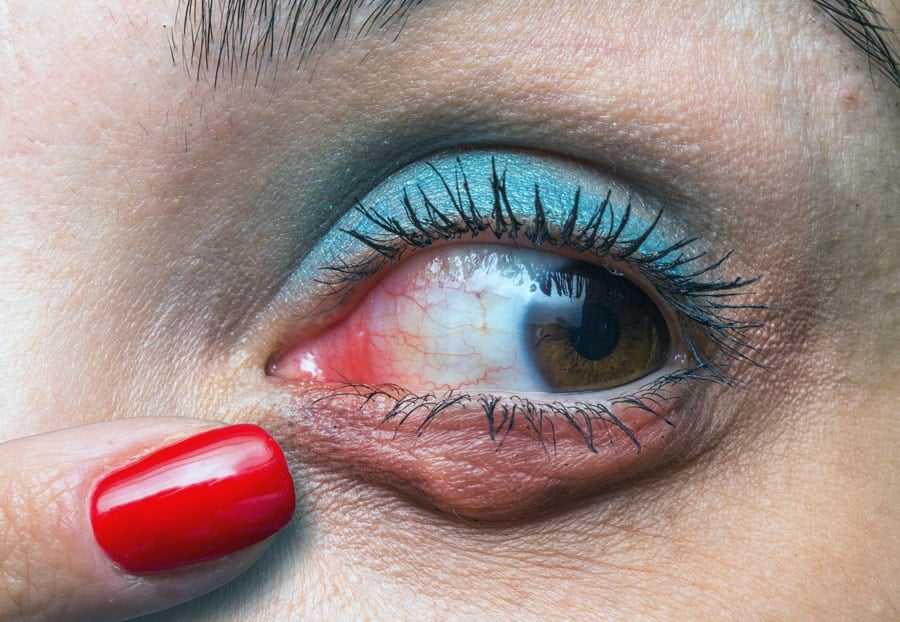
A stye, also called a hordeolum, is one of the most common reasons an eyelid becomes suddenly sore or tender.
A stye develops when a gland near the eyelashes becomes blocked and infected. It typically looks like a red, swollen bump along the edge of the upper or lower eyelid.
What Does a Stye Feel Like?
Common symptoms include:
- A painful or tender eyelid bump
- Localized redness
- Eyelid swelling
- Tearing or watery eyes
- Scratchy or irritated feeling
- Pus within or draining from the bump
The area immediately surrounding the sty may also feel tender when you blink or touch your eyelid.
Why Does a Stye Hurt When I Blink?
Blinking moves the eyelid over the surface of your eye. When a swollen gland or stye is located along the eyelid margin, this movement can put pressure on the inflamed area and make the eyelid hurt.
How Is a Stye Treated?
Most small styes eventually resolve with conservative care.
A warm compress held against the closed eyelid several times throughout the day can help loosen material inside the blocked gland and encourage natural drainage.
Do not squeeze, pop, or attempt to drain a stye yourself. Doing so may spread infection.
If the stye does not improve, becomes significantly larger, or causes increasing swelling, an eye doctor should evaluate it. Prescription medication or drainage may occasionally be necessary.
2. Chalazion
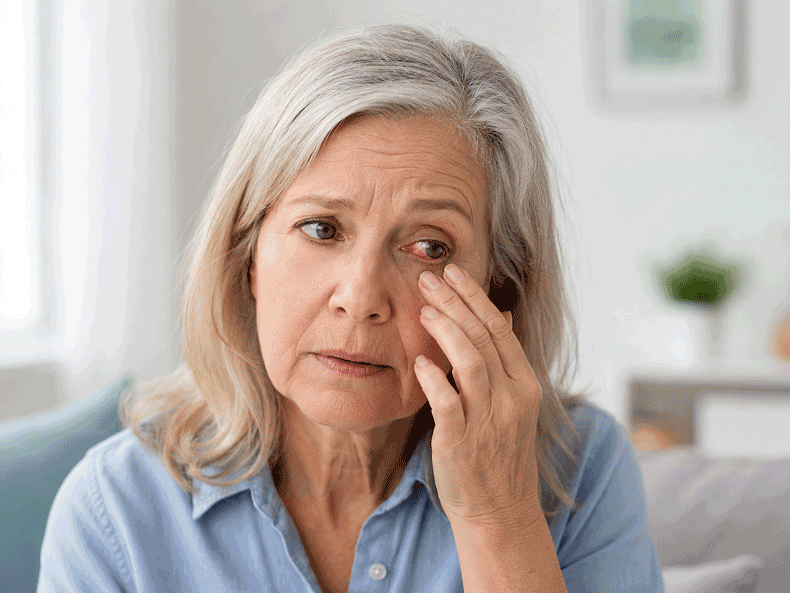
A chalazion is another common eyelid bump, but it is different from a stye.
A chalazion develops when one of the eyelid’s Meibomian oil glands becomes blocked. Unlike a stye, a chalazion is typically not caused by an active bacterial infection.
Is a Chalazion Painful?
A chalazion may initially be tender or uncomfortable as it develops. Over time, however, it usually becomes a firm, relatively painless lump.
Possible symptoms include:
- A firm bump in the upper or lower eyelid
- Mild eyelid swelling
- Fullness or heaviness in the eyelid
- Temporary tenderness
- Redness around the bump
- Watery eyes
- A feeling that something is in the eye
A large chalazion can sometimes press against the eye and contribute to blurry vision.
Stye vs. Chalazion: What’s the Difference?
A stye is generally red, tender, and painful, especially near the eyelash line.
A chalazion usually develops as a firmer lump and becomes less painful over time.
Because they can look similar during their early stages, an eye doctor can help determine which type of eyelid bump you have.
How Is a Chalazion Treated?
Warm compresses can help loosen the blocked oil inside the gland and encourage drainage.
Do not squeeze or pop a chalazion.
If the bump lasts for several weeks, becomes large, interferes with vision, or repeatedly returns, schedule an eye exam. An eye doctor may recommend additional treatment, including medication, an injection, or minor drainage, depending on the condition.
3. Blepharitis
Blepharitis is inflammation along the edges of the eyelids and around the eyelashes.
It is common and can cause ongoing eyelid irritation, burning, redness, or soreness.
What Causes Blepharitis?
Blepharitis can be associated with several factors, including:
- Buildup of bacteria around the eyelashes
- Blocked Meibomian oil glands
- Seborrheic dermatitis
- Rosacea
- Oil and debris are collecting along the eyelid margin
Some people experience blepharitis along with dry eye because the eyelids’ oil glands play an important role in preventing tears from evaporating too quickly.
What Does Blepharitis Feel Like?
Symptoms can include:
- Red or swollen eyelid margins
- Burning or stinging
- Gritty or sandy sensation
- Flaking around the eyelashes
- Crusting of the eyelashes
- Eyelids sticking together after waking
- Ongoing eye irritation
Unlike a stye, blepharitis typically affects a larger portion of the eyelid rather than creating one isolated painful bump.
How Is Blepharitis Treated?
Consistent eyelid hygiene is an important part of managing blepharitis.
Warm compresses can help soften hardened oils and debris along the eyelids. Gentle cleaning of the eyelash line with an appropriate eyelid cleanser can also help remove buildup.
More persistent blepharitis may require treatment from an eye doctor, including prescription medications when appropriate.

4. Eye Allergies
Allergies can cause the eyelids to swell, become irritated, itchy, and occasionally sore.
Pollen, dust, pet dander, mold, smoke, cosmetics, and certain contact lens solutions can all irritate the eyes or trigger an allergic response.
What Do Eye Allergies Feel Like?
Typical symptoms include:
- Intense itching
- Watery eyes
- Red or pink eyes
- Puffy eyelids
- Burning
- Mild eyelid soreness
- Sneezing or a runny nose with seasonal allergies
Allergy-related symptoms commonly affect both eyes.
Can Rubbing Your Eyes Make Eyelid Pain Worse?
Yes. Frequent rubbing can further irritate already inflamed eyelids and may worsen swelling, redness, and soreness.
Although rubbing temporarily relieves itching, avoiding it can help prevent additional irritation.
Common Triggers for Eyelid Allergies
Potential triggers include:
- Pollen: A common seasonal allergy trigger that may cause itching, redness, tearing, and swollen eyelids.
- Dust mites: Dust particles and mite allergens can irritate the eyes and surrounding skin.
- Pet dander: Animal proteins can trigger inflammation and itching.
- Mold: Airborne mold spores may cause allergic eye irritation.
- Smoke: Smoke can increase surface irritation and dryness.
- Eye makeup: Mascara, eyeliner, eyeshadow, and other cosmetics may irritate sensitive eyelid skin.
- Contact lens solutions: Preservatives or other ingredients may cause irritation in some people.
How Are Eye Allergies Treated?
Reducing exposure to the allergen is the first step whenever possible.
Cool compresses and over-the-counter allergy medications or eye drops may help relieve symptoms. Avoid rubbing your eyes.
If symptoms persist despite over-the-counter treatment, an eye doctor can determine whether prescription eye drops or another treatment is appropriate.
5. Conjunctivitis (Pink Eye)
Conjunctivitis, commonly known as pink eye, is inflammation of the conjunctiva—the thin tissue covering the white portion of the eye and the inside of the eyelids.
Viruses, bacteria, and allergies can all cause conjunctivitis.
Can Pink Eye Make Your Eyelid Hurt?
Pink eye primarily affects the eye’s surface, but inflammation can also cause the eyelids to become swollen, irritated, or sore.
Symptoms vary depending on what is causing the conjunctivitis.
Symptoms of Bacterial Conjunctivitis
Bacterial pink eye may cause:
- Redness
- Eyelid swelling
- Thick yellow or green discharge
- Crusting around the eyelashes
- Eyelids sticking together after sleeping
Symptoms of Viral Conjunctivitis
Viral conjunctivitis commonly causes:
- Watery eyes
- Redness
- Burning or irritation
- Eyelid swelling
Symptoms of Allergic Conjunctivitis
Allergic conjunctivitis is more likely to cause:
- Significant itching
- Watery discharge
- Redness
- Puffy eyelids
- Symptoms in both eyes
How Is Pink Eye Treated?
Treatment depends on the underlying cause.
Viral conjunctivitis often improves without antibiotic treatment. Bacterial conjunctivitis may require antibiotic eye drops, while allergic conjunctivitis is typically managed by reducing allergen exposure and treating the allergic response.
Viral and bacterial conjunctivitis can be contagious. Frequent handwashing and avoiding shared towels, pillowcases, cosmetics, and other personal items can help reduce transmission.
Contact an eye doctor if you experience significant pain, light sensitivity, blurred vision, intense redness, or worsening symptoms.
6. Dry Eye Syndrome
Dry eye syndrome affects the eye’s surface, but problems with the tear film can also contribute to eyelid discomfort.
The Meibomian glands inside the eyelids produce oils that help keep tears from evaporating too quickly. When these glands are not functioning properly, both the eye and eyelids may become irritated.
Can Dry Eyes Make Your Eyelids Hurt?
Dry eye may cause the eyelids to feel:
- Irritated
- Heavy
- Tired
- Sore
- Burning
- Gritty
Dry eye can also occur alongside blepharitis or Meibomian gland dysfunction.
Other Symptoms of Dry Eye
Common symptoms include:
- Burning or stinging
- Gritty sensation
- Redness
- Sensitivity to light
- Intermittent blurry vision
- Watery eyes
Although it sounds contradictory, dry eye can sometimes cause excessive watering because irritation triggers the eyes to produce reflex tears.
How Is Dry Eye Treated?
Treatment depends on the cause and severity of the dry eye.
Common approaches may include:
- Artificial tears
- Lubricating eye ointment
- Taking regular breaks from screens
- Using a humidifier in dry environments
- Protecting the eyes from excessive wind or dry air
Dr. Brian Stephens, OD, provides dry eye and comprehensive eye care at Barnet Dulaney Perkins Eye Center in Arizona.
Patients experiencing eyelid soreness along with burning, grittiness, redness, or fluctuating vision may benefit from an eye exam to determine whether dry eye or Meibomian gland dysfunction is contributing to their symptoms.
Treatment for Chronic or Severe Dry Eye
Persistent dry eye may require treatment beyond artificial tears.
Depending on the underlying cause, an eye doctor may recommend prescription eye drops, punctal plugs, or treatments targeting blocked or inflamed Meibomian glands.
In-office technologies such as intense pulsed light (IPL) or radiofrequency (RF) therapy may also be considered for certain patients with Meibomian gland dysfunction.
7. Eyelid Infection or Cellulitis
A painful, red, hot, and significantly swollen eyelid can sometimes indicate a bacterial infection known as cellulitis.
Preseptal or periorbital cellulitis affects the eyelid and tissues surrounding the eye. Orbital cellulitis is a more serious infection involving tissues behind the eye.
Symptoms of Eyelid Cellulitis
Symptoms may include:
- Significant eyelid swelling
- Redness
- Warmth
- Pain or tenderness
- Swelling around the eyebrow or cheek
- Fever
- Vision changes
Why Is Orbital Cellulitis Serious?
Orbital cellulitis occurs behind the eye and can threaten vision or allow infection to spread to nearby structures.
Pain with eye movement, changes in vision, fever, or rapidly worsening swelling should be treated as warning signs requiring prompt medical evaluation.
How Is Eyelid Cellulitis Treated?
Preseptal cellulitis may be treated with antibiotics while being closely monitored by a medical professional.
Orbital cellulitis is more serious and generally requires hospital-based treatment with IV antibiotics. Surgical treatment may sometimes be necessary.
Do not attempt to treat significant eyelid swelling and infection at home without medical evaluation.
Can Eyelid Twitching Cause Eyelid Pain?
An eyelid twitch, also called eyelid myokymia, is a repetitive, involuntary movement of the eyelid muscles.
Myokymia itself is usually not painful. However, it may occur alongside eye strain, fatigue, or dry eye, which makes the eyelid or surrounding eye feel uncomfortable.
What Causes Eyelid Twitching?
Common triggers include:
- Stress
- Fatigue
- Lack of sleep
- Caffeine
- Eye strain
- Dry eyes
The twitch commonly affects one eyelid and may come and go for several days or weeks.
How Can You Stop an Eyelid Twitch?
Simple changes may help reduce eyelid twitching:
- Get adequate sleep
- Reduce excess caffeine
- Take breaks from screens
- Use artificial tears if your eyes are dry
- Apply a warm compress to the eyelid
- Reduce stress and fatigue when possible
Most cases resolve without medical treatment.
If twitching continues for several weeks, becomes more severe, causes your eyelid to close involuntarily, or occurs with other facial muscle symptoms, schedule an eye exam.
Why Does My Eyelid Hurt When I Blink?
Eyelid pain when blinking can occur when blinking puts pressure on an inflamed or irritated area.
A stye is one possible cause, particularly if you also notice a tender red bump near your eyelashes. Blepharitis, dry eye, conjunctivitis, and other forms of eyelid inflammation may also make blinking uncomfortable.
If the pain seems to be coming from the eye itself rather than the eyelid, especially if you have blurred vision, significant redness, or sensitivity to light, schedule an eye exam.
Why Does My Eyelid Hurt When I Touch It?
Tenderness when touching the eyelid often indicates localized inflammation.
Look for other symptoms that may help identify the cause:
- Painful red bump: May be a stye
- Firm eyelid lump: May be a chalazion
- Crusty eyelashes: May indicate blepharitis
- Itching and swelling in both eyes: May be allergies
- Hot, red, rapidly worsening swelling: May indicate an infection
Avoid repeatedly pressing or rubbing a sore eyelid, especially if a bump or infection is present.
Why Is My Upper Eyelid Sore?
Many of the same conditions can affect either the upper or lower eyelid.
A sore upper eyelid may be caused by a stye, chalazion, blepharitis, allergies, dry eye, or an infection. Rather than relying only on where the discomfort occurs, pay attention to accompanying symptoms such as a bump, redness, itching, crusting, discharge, or swelling.
Why Is My Lower Eyelid Sore?
Lower eyelid pain can also result from a stye, blocked oil gland, blepharitis, dry eye, allergies, or infection.
If you can see or feel a tender bump near the eyelashes, it may be a stye. A deeper, firmer bump may indicate a chalazion.
Persistent lower eyelid pain without an obvious cause should be evaluated by an eye doctor.
How Do I Know What Is Causing My Eyelid Pain?
The combination of symptoms can provide useful clues:
Eyelid Pain With a Bump
A tender, red bump is often associated with a stye. A firmer bump that becomes less painful may be a chalazion.
Eyelid Pain With Crusty Eyelashes
Crusting, flaking, burning, and redness along the eyelash line may indicate blepharitis.
Eyelid Pain With Itching
Significant itching—especially when both eyes are affected—is commonly associated with allergies.
Eyelid Pain With Discharge
Eye redness combined with watery or thick discharge may be associated with conjunctivitis.
Eyelid Pain With Burning or Grittiness
Burning, fluctuating vision, grittiness, and watery eyes can occur with dry eye.
Eyelid Pain With Severe Swelling
A hot, red, painful, rapidly swollen eyelid may indicate an infection and should be evaluated promptly.
Schedule an Eye Exam for Persistent Eyelid Pain
It is not always possible to determine the cause of eyelid pain based on symptoms alone. Styes, chalazia, blepharitis, allergies, dry eye, conjunctivitis, and infections can sometimes produce overlapping symptoms.
The ophthalmologists and optometrists at Barnet Dulaney Perkins Eye Center can evaluate your eyes and eyelids to determine the cause of your discomfort and recommend appropriate treatment.
If your eyelid pain is persistent, recurring, or getting worse, schedule an eye care appointment with Barnet Dulaney Perkins Eye Center today.