

Blepharitis symptoms can include red, swollen, itchy, crusty, burning, or irritated eyelids. At Barnet Dulaney Perkins Eye Center, patients across Phoenix, Mesa, Chandler, Glendale, Goodyear, Surprise, Tucson, Flagstaff, and throughout Arizona can get help understanding whether eyelid inflammation is linked to dry eye, meibomian gland dysfunction, allergies, Demodex mites, skin conditions, or another ocular-surface concern.
Blepharitis can feel small at first. Maybe your lashes look crusty in the morning. Maybe your eyelids itch after a long day. Maybe your eyes burn, water, or feel gritty no matter how often you use drops. Over time, recurring eyelid inflammation can become a stubborn cycle that affects comfort, tear quality, contact lens wear, and daily vision.
The good news is that blepharitis is manageable. The key is knowing which type of inflammation is present and building a routine that targets the source, not just the symptoms.
What Blepharitis Feels Like

Common symptoms include:
- Red or swollen eyelids
- Itchy eyelids
- Crusting around the lashes
- Flaking near the eyelid margin
- Burning or stinging eyes
- Watery eyes
- Gritty or sandy feeling
- Light sensitivity
- Blurry vision that improves after blinking
- Eyelids that feel greasy, sticky, or sore
If eyelid soreness is your main concern, learning more about common causes of eyelid pain can help connect blepharitis with styes, chalazia, dry eye, and other eyelid issues.
Why Blepharitis And Dry Eye Often Overlap
Blepharitis and dry eye are closely connected. Along the eyelids are tiny oil glands called meibomian glands. These glands release oils that help keep tears from evaporating too quickly. When the glands become blocked or inflamed, the tear film may become unstable.
This problem is called meibomian gland dysfunction. It can cause burning, redness, watering, fluctuating blur, and irritation that feels like dry eye. In Arizona’s dry climate, wind, air conditioning, dust, and screen time can make the eye’s surface feel even more irritated.
Patients with recurring burning, grittiness, watery eyes, or fluctuating vision may benefit from dry eye treatment in Arizona. For a broader overview of symptoms, dry eye symptoms, and treatment options can help explain how eyelid inflammation affects tear comfort.
Common Causes Of Blepharitis
Demodex are microscopic mites that naturally live around hair follicles. When they overgrow along the lashes, they can contribute to irritation, itching, redness, crusting, and cylindrical debris around the lash base.
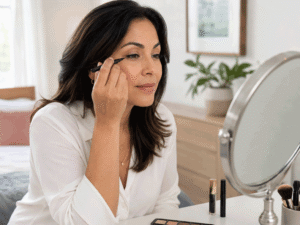
Blepharitis may also be connected with rosacea, seborrheic dermatitis, dandruff, makeup residue, eyelash extensions, contact lens irritation, or poor lid hygiene. If symptoms flare after makeup use, lash products, or removal routines, eye makeup safety may be worth reviewing.
At-Home Blepharitis Care
Many blepharitis treatment plans start with consistent eyelid hygiene. The goal is to loosen debris, support healthier oil flow, and reduce inflammation along the lid margin.
A basic routine may include warm compresses, gentle lid cleansing, preservative-free artificial tears, and avoiding eye rubbing. Warm compresses work best when they stay warm long enough to soften thickened oils in the glands. Lid cleansing should be gentle. Scrubbing aggressively can make irritation worse.
If dryness is part of the problem, home remedies for dry eyes may help support comfort between visits. However, recurring symptoms usually need a more complete plan than occasional compresses.
When Eye Drops Are Not Enough
Over-the-counter drops may soothe burning or dryness, but they do not always treat eyelid inflammation. Redness-relief drops may also create rebound redness when used too often.
If you keep reaching for drops every day, the underlying issue may involve blepharitis, meibomian gland dysfunction, dry eye disease, allergies, or another surface condition. Before turning drops into a long-term habit, learn more about overusing eye drops.
Itchy eyes can also overlap with allergies. If itching is the dominant symptom, ocular allergies may be part of the picture.
Professional Treatment Options
If blepharitis symptoms keep returning, an eye doctor can examine the eyelids, lashes, tear film, and meibomian glands. Treatment depends on the cause.
Professional treatment may include prescription antibiotic ointments or drops, anti-inflammatory drops, oral medication in certain cases, in-office gland treatments, Demodex-specific therapy, or a dry eye treatment plan that addresses meibomian gland dysfunction.
A comprehensive eye exam can also help rule out infection, allergies, corneal irritation, and other causes of red or irritated eyes.
Get Help For Recurring Eyelid Inflammation
Blepharitis symptoms can be frustrating because they often return. The right plan usually combines daily eyelid care with treatment for dry eye, gland blockage, Demodex, allergies, or skin-related inflammation when needed.
Barnet Dulaney Perkins Eye Center provides eye care at locations across Arizona. If your eyelids are red, crusty, swollen, itchy, or sore, schedule an eye exam online and find out what is driving your symptoms.