

Dry eyes in winter can make a morning walk or an evening with a book less comfortable. Wind, dry air, and indoor heating can cause tears to evaporate faster, leading to burning, grittiness, or watering. Adjusting your environment and using appropriate lubricating drops may help; persistent symptoms warrant an eye exam.
In Arizona, winter eye care matters even when temperatures stay mild. A windy patio, a heated room, or a car vent aimed at your face can all contribute to irritation. Understanding your triggers can help you protect your comfort throughout the season.
If winter dryness keeps interrupting your day, Barnet Dulaney Perkins Eye Center can help you understand the cause. Schedule an eye exam to discuss your symptoms and explore care options that fit your needs.
Why Winter Can Make Your Eyes Feel Dry
Dry eye develops when your eyes do not make enough tears, or your tears do not work properly. Your tear film coats the eye’s surface and helps keep it comfortable. Winter conditions can make maintaining that moisture more difficult.
Common triggers include:
- Dry air and wind. Time in windy or dry environments can increase tear evaporation, leaving your eyes feeling irritated.
- Indoor heating. Heated spaces and direct airflow from vents can contribute to dryness, including during short car rides.
- Screen habits. People tend to blink less while concentrating on screens, which can leave the eye’s surface less comfortable.
Winter weather may also aggravate an existing dry eye problem. Certain cold and allergy medicines can contribute to dryness, too. Tell your eye doctor what you take, but do not stop a prescribed medicine without medical advice.
Recognize Common Dry Eye Symptoms
Dry eye symptoms can include burning, stinging, redness, a scratchy feeling, and intermittent blurry vision. You may also notice watery eyes or discomfort while wearing contact lenses.
These symptoms can interrupt reading, computer work, driving, or time outdoors. Pay attention to when they happen, what seems to trigger them, and whether they improve when you change your surroundings.
Symptoms alone cannot confirm dry eye. Allergies, eyelid problems, infections, and other conditions can cause similar complaints. An exam helps identify the cause instead of assuming winter weather explains everything.
Practical Relief for Dry Eyes in Winter
Relief for dry eyes in winter often starts with reducing irritation and supporting your tear film. The right approach depends on your symptoms and their underlying cause.
Choose Lubricating Eye Drops
Artificial tears can help relieve mild dry eye symptoms. Look for products labeled as lubricating eye drops or artificial tears, and follow the label and your clinician’s instructions.
If you need drops frequently, ask whether a preservative-free option would suit you. Your eye doctor can also explain when a gel or ointment may help. Thicker products can blur vision, so timing matters.
Frequent use does not automatically mean overuse. The type of drop and your eye doctor’s instructions matter. If you need drops more often or relief does not last, discuss your routine with your clinician. Understanding eye drop overuse can help you recognize when your approach needs another look.
Wash your hands before using drops, and keep the bottle tip from touching your eye, fingers, or other surfaces to help avoid contamination.
Reduce Direct Airflow and Indoor Dryness
Redirect car vents, fans, and space heaters away from your face. At home or work, choose a seat outside the direct path of blowing air when possible.
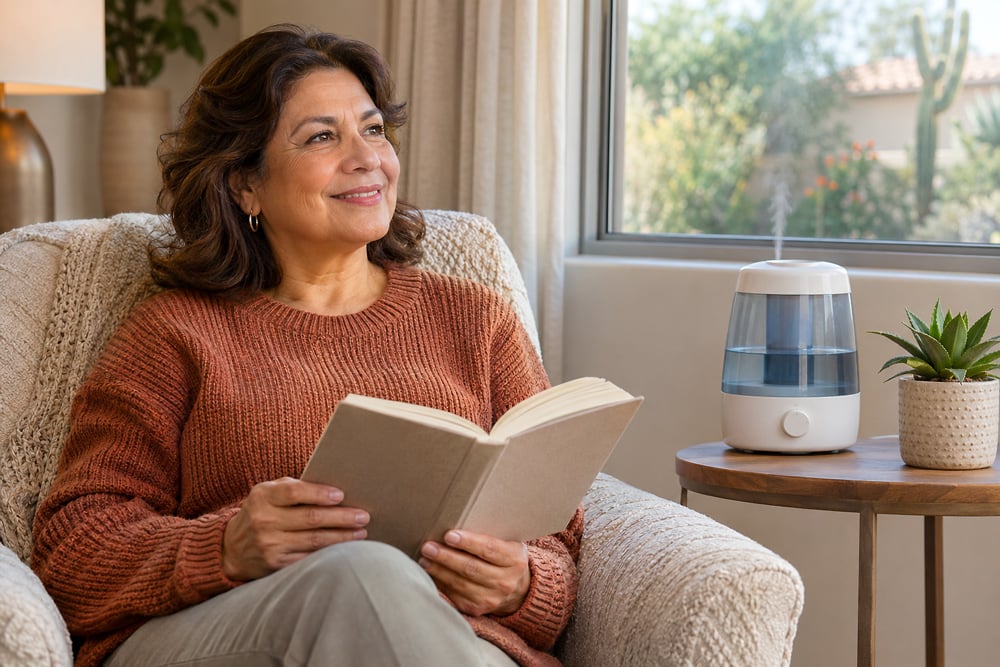
A humidifier may help when indoor air feels dry. Follow its cleaning and maintenance instructions. Reduce its use if moisture collects on windows or other surfaces.
Protect Your Eyes Outdoors
Wraparound sunglasses can help shield your eyes from drying wind. Choose sunglasses with UV protection for outdoor activities, even during cooler weather.
On especially windy days, adjust your plans or take breaks indoors if your eyes become irritated. These steps can reduce exposure without requiring you to give up activities you enjoy.
Take Screen and Blinking Breaks
Pause regularly during computer work, reading, or television time. Look away from the screen and blink several times fully.
If symptoms build over the course of the day, notice whether you are spending long stretches concentrating without breaks. Small changes to your routine may make those activities more comfortable.
Give Irritated Eyes a Break From Contacts
If your contact lenses become uncomfortable, remove them and use backup glasses. Contact your eye care professional promptly. Do not resume lens wear until your clinician advises that it is safe.
For additional everyday strategies, our guide to home remedies for dry eyes covers broader care beyond winter-specific triggers.

Winter Eye Care Mistakes to Avoid
- Choosing drops only because they promise less redness. Some decongestant eye drops can cause rebound redness. Ask which product fits your symptoms.
- Aiming the heater at your face. Warm air may feel comforting, but direct airflow can aggravate dryness. Redirect vents toward your body instead.
- Dismissing recurring symptoms as seasonal. If you need drops more often or symptoms disrupt daily life, schedule an exam. Weather changes alone may not address the cause.
Dry Skin Around Eyes in Winter
Dry skin around the eyes in winter can affect the eyelids or the surrounding skin. Dry eye affects the tear film and eye surface. They can occur together, and treating one may not resolve the other.
Flaking, itching, or a rash can have several causes. If you also experience eyelid irritation or soreness, an eye doctor can check for allergies, eyelid inflammation, or another contributing problem.
Use gentle, fragrance-free skin care, and ask your eye doctor or dermatologist which moisturizer is appropriate near your eyes. Keep skin creams out of your eyes, and seek guidance for persistent redness, itching, or scaling.
When to See an Eye Doctor
Schedule an exam when symptoms keep returning, worsen, affect everyday activities, or do not improve with appropriate home care. You do not have to wait until the discomfort becomes severe.
Your eye doctor may evaluate tear production, how quickly tears evaporate, and the condition of your eyelids. Bring a list of your medicines and eye drops, along with notes about your symptoms.
Depending on the cause, your plan may include different drops, eyelid care, prescription treatment, or an in-office procedure. Our dry eye evaluation and treatment services explain the care options available through Barnet Dulaney Perkins Eye Center.
Symptoms That Need Urgent Care
Seek urgent medical care for sudden vision changes, severe eye pain, or a red, painful eye with light sensitivity. Call (602) 955-1000 for guidance during business hours before traveling to a clinic. For these symptoms after hours, go to the nearest emergency room.
Do not wait for a routine online appointment or drive yourself if your vision makes driving unsafe. Our emergency eye care guidance explains the next steps.
Find Winter Dry Eye Relief in Arizona
Comfortable eyes make it easier to enjoy a good book, finish the workday, or spend time outdoors. If winter dryness keeps interrupting your routine, an evaluation can help identify the cause and guide your next steps.
Barnet Dulaney Perkins Eye Center provides dry eye evaluations and treatment in Arizona. Schedule your eye exam to discuss your symptoms and a care plan that fits your needs.