
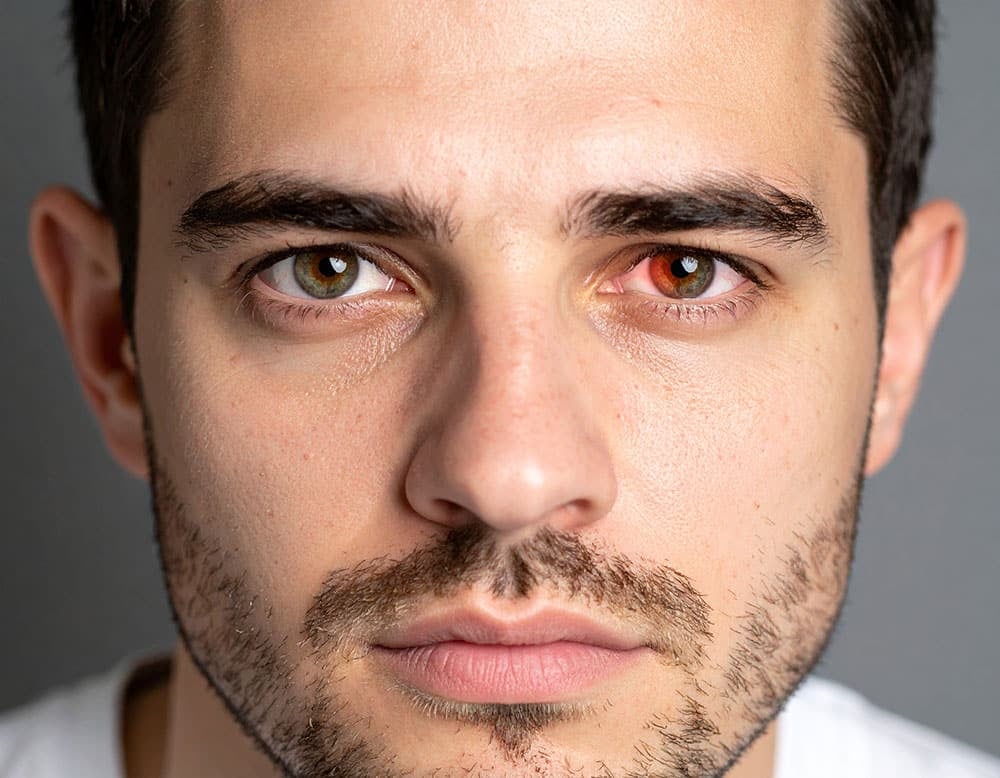
Red eye can be caused by simple dryness or allergies, or by eye infections, corneal injuries, inflammation, or pressure-related emergencies that require immediate care. At Barnet Dulaney Perkins Eye Center, patients across Arizona can get help understanding what redness may mean and when an eye exam should not wait.
A red eye can look dramatic in the mirror. Sometimes it feels gritty after a long day in Arizona’s dry air. Sometimes it itches during allergy season. Other times, the redness comes with pain, light sensitivity, blurred vision, discharge, or a deep ache, which may indicate something more serious is happening.
The hard part is that many causes of red eye overlap. Dry eye, allergies, conjunctivitis, corneal injury, uveitis, and acute pressure changes can all make the eye look red. The symptoms around the redness often provide the real clues.
When Red Eye Needs Emergency Care
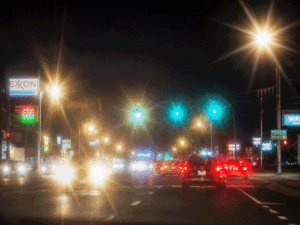
Seek immediate medical help if red eye comes with:
- Sudden vision loss or a major change in vision
- Severe eye pain
- New halos around lights
- Nausea or vomiting with eye pain
- A serious eye injury
- Chemical exposure
- New light sensitivity
- A new curtain, shadow, flashes, or sudden floaters
- Redness after sleeping in contact lenses
- A painful red eye after surgery or an eye procedure
These symptoms can point to problems involving the cornea, retina, eye pressure, or inflammation or infection inside the eye. If symptoms feel alarming or happen after hours, do not wait. Call 911 or seek emergency care.
What Redness Can Mean: A Quick Comparison
| Possible Cause | Common Clues | How Urgent It Can Be |
| Dry eye | Burning, grittiness, watery eyes, fluctuating vision | Often routine, sooner if painful or worsening |
| Allergies | Itching, watering, both eyes affected, seasonal pattern | Usually routine unless severe |
| Conjunctivitis | Pink or red eye, discharge, crusting, irritation | Often prompt, especially if contagious or worsening |
| Corneal injury | Sharp pain, tearing, foreign body feeling, light sensitivity | Urgent, especially for contact lens wearers |
| Uveitis | Aching pain, redness, light sensitivity, blurry vision | Urgent |
| Pressure–related emergency | Severe pain, halos, headache, nausea, blurred vision | Emergency |
This comparison can help you think through the pattern, but it cannot replace an exam. A red eye exam lets your eye doctor check your vision, eye pressure, cornea, eyelids, tear film, pupil response, and the inside of the eye.
Dry Eye: Redness With Burning, Grittiness, Or Watery Eyes
Dry eye is one of the most common causes of red eye in Arizona. Dry air, wind, air conditioning, screen time, contact lens wear, and tear film problems can all irritate the eye’s surface.
Dry eye redness often comes with a gritty, sandy, burning, or tired feeling. Some patients also notice watery eyes, which can seem confusing. When the tear film is unstable, the eye may overproduce watery tears that still do not provide lasting comfort.
Dry eye may feel worse after reading, working on a computer, driving, or spending time outdoors. It may also blur vision intermittently. If redness keeps coming back, dry eye treatment may help calm the eye’s surface rather than chasing symptoms with random over-the-counter drops.
Allergies: Red, Itchy, Watery Eyes

Common triggers include pollen, dust, mold, pet dander, smoke, and seasonal changes. In Arizona, windy days can stir up dust and allergens that quickly irritate the eyes.
Try not to rub. Rubbing can worsen inflammation and irritate the cornea. Cool compresses, preservative-free artificial tears, and allergy eye drops may help some patients, but persistent redness deserves an exam. Not every itchy red eye is “just allergies.”
Conjunctivitis: When Red Eye May Be Pink Eye
Conjunctivitis, often called pink eye, happens when the conjunctiva becomes inflamed. The conjunctiva is the clear tissue that covers the white part of the eye and lines the inside of the eyelids.
- Viral conjunctivitis often causes watery discharge and may be accompanied by cold-like symptoms.
- Bacterial conjunctivitis may cause thicker discharge or crusting, especially after sleep.
- Allergic conjunctivitis usually causes itching and affects both eyes.
Because viral and bacterial conjunctivitis can spread, good hygiene matters. Avoid sharing towels, wash your hands often, replace contaminated eye makeup, and follow your doctor’s instructions about school, work, contact lenses, and medication.
You should schedule an eye exam if redness, discharge, or irritation worsen, affect vision, cause pain, or do not improve as expected.
Corneal Injury: A Scratch, Foreign Body, Or Contact Lens Problem
Do not try to remove an embedded object. Don’t patch the eye unless a medical professional tells you to. Cease wearing contact lenses if you experience pain or redness.
Contact lens-related redness deserves special caution. A red, painful eye in a contact lens wearer may indicate a corneal infection, which can threaten vision without prompt treatment. Remove the lenses and seek care quickly.
Uveitis: Redness With Light Sensitivity And Aching Pain
Uveitis is inflammation inside the eye. It can cause redness, aching pain, blurred vision, floaters, and sensitivity to light. Unlike mild dryness or allergies, uveitis may feel deeper and more uncomfortable.
Some cases come on suddenly. Others build more slowly. Uveitis may be connected with autoimmune conditions, infections, injury, or other inflammatory problems, although the cause is not always obvious.
Eye pain, light sensitivity, blurred vision, or redness may require urgent care. Call Barnet Dulaney Perkins Eye Center during business hours or seek immediate care if symptoms are severe, sudden, or occur after hours. Treatment may help control inflammation and lower the risk of complications.
Pressure-Related Emergencies: Severe Pain, Halos, Nausea, Or Blurred Vision
A pressure-related emergency, such as acute angle-closure glaucoma, can cause a painful red eye with blurred vision, halos around lights, headache, nausea, or vomiting. This happens when fluid cannot drain properly, causing eye pressure to rise quickly.
This type of red eye is an emergency. Waiting can put vision at risk.
Not every glaucoma patient has these symptoms. Many forms of glaucoma develop quietly over time. But sudden redness with severe pain, vision changes, halos, or nausea needs immediate care.
What Your Eye Doctor Checks During A Red Eye Exam
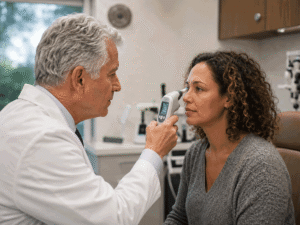
- Vision changes
- Eye pressure
- Corneal scratches or infection
- Tear film quality
- Eyelid inflammation
- Pupil response
- Light sensitivity
- Discharge pattern
- Signs of inflammation inside the eye
This is why self-diagnosis can get tricky. A red eye from allergies and a red eye from inflammation may look similar at first glance. The treatment, urgency, and risks can vary widely.
Get The Right Care For Red Eye In Arizona
The causes of red eye are not always obvious; however, the safest next step depends on the full symptom pattern. Mild redness due to dryness or allergies may require supportive care and a routine exam. On the other hand, redness with pain, light sensitivity, vision changes, injury, or nausea needs urgent attention.
Barnet Dulaney Perkins Eye Center provides comprehensive eye care at locations across Arizona, including the Phoenix metro area, Northern Arizona, and the Tucson area. If you are unsure what type of appointment you need, the team can help direct you based on your symptoms, vision needs, and eye health history.
If your red eye is painful, sudden, or affecting your vision, call Barnet Dulaney Perkins Eye Center or seek immediate care. For mild or routine redness without urgent symptoms, schedule an eye exam online.