

Sudden vision loss should be treated as urgent, especially if your vision changes within minutes or hours. If you suddenly lose vision in one eye or both eyes, see a curtain or shadow, notice many new floaters, have flashes of light, or develop vision loss with weakness, facial drooping, confusion, trouble speaking, or severe headache, call 911 or seek emergency medical care right away.
Some causes of sudden vision loss are eye emergencies. Others may be medical emergencies involving blood flow, the brain, the optic nerve, or trauma. The safest first step is not to wait and see whether vision returns.
Barnet Dulaney Perkins Eye Center provides comprehensive eye exams and advanced eye care across Arizona. If your symptoms are sudden, severe, or paired with neurologic warning signs, seek emergency care first. If you need urgent eye evaluation or follow-up care, Barnet Dulaney Perkins Eye Center can help identify the cause and guide your next steps during business hours.
Sudden Vision Loss Is Not One Condition
Sudden vision loss is a symptom. It may feel like a dark curtain, a blind spot, a sudden blur, a central blind spot, side vision loss, dimming, grayness, distortion, or complete loss of sight.
The pattern matters. Vision loss in one eye can indicate a problem within the eye, retina, optic nerve, or blood vessels supplying that eye. Vision loss in both eyes may involve both eyes, the brain’s visual pathways, migraine, stroke, medication effects, or another neurologic cause.
Pain also matters. Painless sudden vision loss can still be serious. Retinal detachment, retinal artery occlusion, vitreous bleeding, and some optic nerve problems may not hurt. Painful sudden vision loss may suggest acute glaucoma, inflammation, infection, injury, or corneal problems.
Because the causes are so different, an eye exam and, in some cases, emergency medical evaluation are needed to protect vision and overall health.
Warning Signs That Need Immediate Care
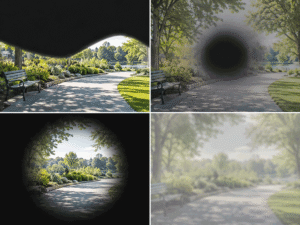
- A curtain, veil, or shadow over part of your vision
- Many new floaters or sudden flashes of light
- Sudden loss of side vision
- Sudden central blind spot or missing area of vision
- Eye pain, redness, nausea, vomiting, or halos around lights
- Head injury or eye injury
- Severe headache
- Weakness, numbness, facial drooping, confusion, dizziness, or trouble speaking.
- Vision loss after recent eye surgery
- Sudden vision changes in a patient with diabetes, high blood pressure, or vascular disease
Do not drive yourself if your vision is reduced, doubled, distorted, or missing. Have someone else drive you, call emergency services, or follow urgent instructions from your eye doctor.
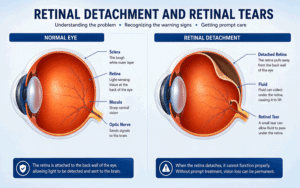
Retinal Detachment And Retinal Tears
A retinal detachment happens when the retina pulls away from the back wall of the eye. The retina needs to stay in place to receive light and send signals to the brain. When it detaches, vision can be permanently damaged without prompt treatment.
Common warning signs include sudden flashes, many new floaters, blurred vision, reduced side vision, or a curtain-like shadow. A retinal tear may happen before detachment, which is why new flashes and floaters deserve urgent evaluation.
Barnet Dulaney Perkins Eye Center provides retina care across Arizona. If retinal detachment is suspected, your doctor may perform a dilated exam, retinal imaging, or refer you urgently for treatment. You can also learn more about retinal detachment and why fast care matters when symptoms appear.
Vascular Events And Eye Stroke
A blood flow problem may also cause sudden vision loss. A blockage in a retinal artery or vein can disrupt the retina’s oxygen and nutrient supply. Some patients describe sudden painless vision loss, dimming, a gray curtain, or a missing area of vision.
A retinal artery occlusion is sometimes called an eye stroke because it involves a blockage of blood flow to the retina. Vision loss from vascular causes needs immediate medical evaluation. Doctors may also need to look for risk factors such as high blood pressure, diabetes, carotid artery disease, heart rhythm problems, blood clotting disorders, or stroke risk.
If sudden vision loss is accompanied by facial drooping, arm weakness, slurred speech, confusion, dizziness, a severe headache, or trouble walking, call 911. These symptoms may point to a stroke or other neurologic emergency.
Acute Glaucoma Can Cause Sudden Vision Changes
Most cases of glaucoma develop slowly, but acute angle-closure glaucoma can develop suddenly. This can happen when fluid cannot drain properly from the eye, leading to a sudden rise in eye pressure.
Symptoms may include sudden blurry vision, severe eye pain, headache, red eye, halos around lights, nausea, or vomiting. This is an emergency because high eye pressure can damage the optic nerve.
Barnet Dulaney Perkins Eye Center offers glaucoma treatment in Arizona, including diagnostic testing, monitoring, laser therapy, and surgical options when appropriate. If symptoms suggest acute glaucoma, seek urgent care immediately rather than waiting for a routine appointment.
Eye Injury, Infection, And Inflammation
Trauma can cause sudden vision loss if the eye is scratched, struck, cut, burned, or exposed to chemicals. Even if the eye looks normal on the outside, an injury can damage the cornea, lens, retina, optic nerve, or other internal structures of the eye.
Infection and inflammation can also cause vision loss, often with redness, pain, discharge, light sensitivity, or swelling. Contact lens wearers should be especially careful to seek prompt treatment for painful red eyes or sudden blurred vision, as corneal infections can worsen quickly.
Any chemical exposure to the eye should be flushed immediately with clean water, followed by emergency care. Any object stuck in the eye, penetrating injury, sudden vision loss after trauma, or severe pain should be treated as an emergency.
Cataracts, Dry Eye, And Gradual Vision Changes
Not every vision change is an emergency. Cataracts usually cause gradual, cloudy vision, glare, halos, night-driving problems, or faded colors rather than sudden vision loss. Dry eye can cause fluctuating blur, burning, watering, or ghosting that may improve briefly with blinking or lubricating drops.
Even so, patients may describe these changes as “sudden” when they first notice them. An exam helps separate urgent vision loss from symptoms caused by cataracts, dry eye, prescription changes, or corneal problems.
If cataracts are affecting your clarity, Barnet Dulaney Perkins Eye Center offers cataract surgery and lens options to help restore clearer vision. If fluctuating blur, burning, or watery eyes are part of your symptoms, dry eye treatment may help identify tear-film problems and inflammation.
How Doctors Evaluate Sudden Vision Loss
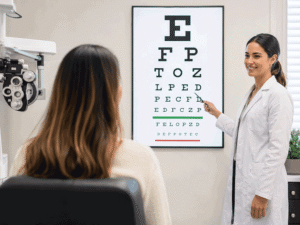
Testing may include visual acuity testing, pupil testing, intraocular pressure measurement, slit-lamp exam, dilation, retinal imaging, visual field testing, optical coherence tomography, ultrasound, or referral for emergency imaging and medical testing.
A comprehensive eye exam can help evaluate the front and back of the eye, but sudden symptoms may need same-day or emergency evaluation. The goal is to determine whether vision loss results from the retina, optic nerve, cornea, lens, blood vessels, intraocular pressure, trauma, or another cause.
Treatment Depends On The Cause
There is no single treatment for sudden vision loss. Treatment depends on the diagnosis and the timing of care.
Retinal tears may be treated with laser or freezing therapy. Retinal detachment may need surgery. Acute glaucoma may need pressure-lowering medication, laser treatment, or surgery. Infection may require prescription medication. Inflammation may need targeted medical treatment. Vascular causes may require emergency medical evaluation and coordination with other physicians.
Some conditions cannot fully restore lost vision, which is why speed matters. Prompt diagnosis gives your care team the best chance to protect remaining sight, prevent worsening, and address underlying health risks.
Schedule Eye Care In Arizona After Sudden Vision Loss
If vision loss is sudden, severe, or paired with stroke-like symptoms, call 911 or seek emergency medical care right away. Do not wait for a regular eye appointment.
If you have already received emergency care, were told to follow up with an eye doctor, or have new vision symptoms that need evaluation, Barnet Dulaney Perkins Eye Center can help. Our providers offer comprehensive exams, retina, glaucoma, and cataract care, as well as advanced diagnostic testing across Arizona. Schedule an eye exam online with one of our expert eye doctors. If this is an emergency during business hours, please call (602) 955-1000.