
At Barnet Dulaney Perkins Eye Center, we diagnose and treat common concerns like dry eye and corneal infections, as well as complex conditions such as keratoconus and Fuchs’ dystrophy. We offer a range of cornea treatments, including medications, specialty contact lenses, corneal cross-linking, and corneal transplant surgery for patients who need more advanced care.
Cornea
Care
Our Arizona cornea specialists are highly trained in diagnosing and treating a range of corneal conditions, from dry eye and infections to complex surgical procedures such as corneal transplantation.
What Is The Cornea?
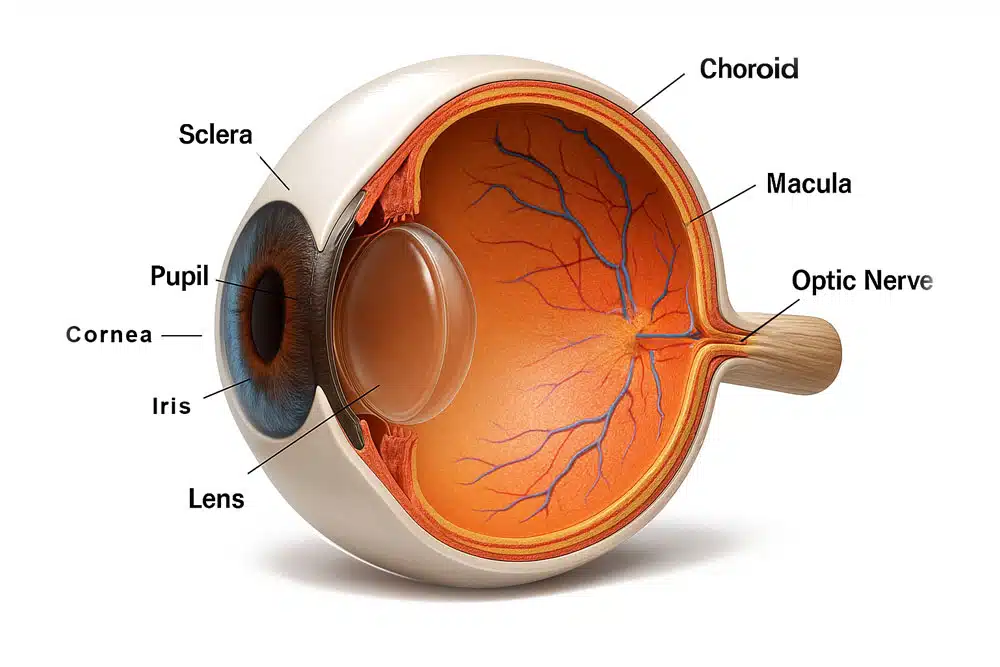
The cornea serves as the eye’s front window. When healthy, it is smooth, clear, and curved, allowing light to enter the eye and focus correctly on the retina. Additionally, it acts as a protective barrier, shielding the eye from irritants, debris, and infections.
When the cornea becomes damaged, inflamed, infected, misshapen, or cloudy, vision can be distorted. Some corneal conditions may cause mild irritation, while others can lead to significant vision loss if left undiagnosed and untreated. Therefore, any changes in comfort or vision should not be ignored, especially if the symptoms are painful, sudden, or worsening.
Play Video

Dry Eye and Ocular Surface Disease
Dry eye is common in Arizona’s dry climate and can cause burning, redness, watering, blurred vision, and irritation. Causes may include tear film imbalance, inflammation, meibomian gland dysfunction, medications, and environmental factors.
Corneal Infections and Inflammation
Corneal infections and keratitis can result from bacteria, viruses, fungi, eye injuries, or contact lens complications. Symptoms may include eye pain, redness, light sensitivity, discharge, and blurred vision.
Keratoconus
Keratoconus occurs when the cornea gradually thins and develops a cone-like shape, causing blurry or distorted vision, glare, halos, and frequent prescription changes.
Fuchs’ Dystrophy and Corneal Swelling
Fuchs’ dystrophy affects the inner layer of the cornea and can cause fluid buildup, corneal swelling, cloudy vision, glare, and halos.
Signs You May Need Cornea Care
Corneal conditions can cause different symptoms depending on the underlying issue. Some symptoms require urgent attention. If you have intense eye pain, sudden vision changes, a serious eye injury, or the feeling that something is stuck in your eye and will not come out, contact an eye care professional right away or seek emergency care.
You may benefit from an eye exam if you are experiencing:
- Blurry, cloudy, or distorted vision
- Eye pain or discomfort
- Redness or inflammation
- A gritty, burning, or foreign body sensation
- Light sensitivity
- Excessive tearing or watery eyes
- Discharge from the eye
- Frequent changes in your glasses or contact lens prescription
- Difficulty wearing contact lenses comfortably
- Glare or halos, especially at night
- A history of eye injury, infection, or corneal disease

Advanced Cornea Treatments
Medication and Eye Drops
Many corneal conditions can be treated with prescription eye drops, oral medication, lubricating drops, or anti-inflammatory therapy. These may be used to treat infection, reduce inflammation, improve tear film stability, or manage symptoms.
Specialty Contact Lenses
For patients with irregular corneal shape, keratoconus, or corneal scarring, specialty contact lenses may help create a smoother focusing surface and improve vision when glasses are no longer enough.
Corneal cross-linking
Corneal cross-linking is a treatment used for progressive keratoconus. It strengthens corneal tissue to help slow or stop the cornea from thinning and bulging further. This treatment is most effective when keratoconus is detected before severe corneal distortion or scarring occurs.
Corneal Transplant Surgery
When appropriate, a partial-thickness corneal transplant may replace only the damaged layer rather than the full cornea. Barnet Dulaney Perkins Eye Center offers advanced procedures such as DMEK and DSAEK for select patients with endothelial conditions, including Fuchs’ dystrophy and corneal swelling.
Learn About Full-Thickness Corneal Transplant Surgery
Learn About Partial-Thickness Corneal Transplants
Full-Thickness Corneal Transplant
A full-thickness corneal transplant may be recommended when multiple layers of the cornea are damaged or scarred. During this procedure, the damaged corneal tissue is replaced with healthy donor tissue. This may be considered for advanced keratoconus, severe scarring, or other complex corneal disease.
Many corneal conditions can be treated with prescription eye drops, oral medication, lubricating drops, or anti-inflammatory therapy. These may be used to treat infection, reduce inflammation, improve tear film stability, or manage symptoms.
For patients with irregular corneal shape, keratoconus, or corneal scarring, specialty contact lenses may help create a smoother focusing surface and improve vision when glasses are no longer enough.
Corneal cross-linking is a treatment used for progressive keratoconus. It strengthens corneal tissue to help slow or stop the cornea from thinning and bulging further. This treatment is most effective when keratoconus is detected before severe corneal distortion or scarring occurs.
When appropriate, a partial-thickness corneal transplant may replace only the damaged layer rather than the full cornea. Barnet Dulaney Perkins Eye Center offers advanced procedures such as DMEK and DSAEK for select patients with endothelial conditions, including Fuchs’ dystrophy and corneal swelling.
Learn About Full-Thickness Corneal Transplant Surgery
Learn About Partial-Thickness Corneal Transplants
A full-thickness corneal transplant may be recommended when multiple layers of the cornea are damaged or scarred. During this procedure, the damaged corneal tissue is replaced with healthy donor tissue. This may be considered for advanced keratoconus, severe scarring, or other complex corneal disease.

Cornea Care FAQs
A cornea specialist is an ophthalmologist with advanced training in conditions that affect the cornea and ocular surface. They diagnose and treat problems such as keratoconus, corneal infections, dry eye disease, corneal dystrophies, Fuchs’ dystrophy, corneal scarring, and transplant-related needs.
You should consider seeing a cornea specialist if you have ongoing eye irritation, pain, redness, light sensitivity, blurry vision, distorted vision, difficulty wearing contact lenses, or a known corneal condition. Sudden vision changes, severe pain, or eye injury should be evaluated right away.
Yes. Some corneal conditions are mild and manageable, but others can lead to scarring, swelling, irregular corneal shape, or permanent vision changes if left untreated. Early diagnosis and treatment can help reduce the risk of long-term damage.
Yes. Treatment depends on the severity of the condition. Glasses or specialty contact lenses may help in earlier stages. Corneal cross-linking may be recommended to help slow or stop progression. Advanced cases may require a corneal transplant.
Corneal cross-linking is a treatment used to strengthen the cornea in patients with progressive keratoconus. The goal is to help stabilize the cornea and reduce the risk of continued thinning and bulging.
A partial corneal transplant replaces only the damaged layer of the cornea. Procedures such as DMEK and DSAEK may be used for conditions affecting the inner corneal layer, such as Fuchs’ dystrophy or endothelial damage.
Dry eye affects the tear film and ocular surface, including the cornea. When the eye does not stay properly lubricated, the cornea can become irritated, inflamed, or damaged. A cornea specialist can help determine the cause and recommend treatment.
Contact lenses are safe for many people when used correctly, but improper cleaning, overwearing lenses, sleeping in contacts, or wearing contacts around water can increase the risk of corneal infection or injury. If you wear contacts and develop pain, redness, discharge, or light sensitivity, remove your lenses and contact an eye care professional.
Corneal conditions are diagnosed through a comprehensive eye exam and specialized testing. Your doctor may examine the cornea with a slit lamp, use dye to check for surface damage, map the shape of the cornea, or measure corneal thickness and swelling.
Emergency Cornea Care
Some cornea symptoms need prompt medical attention. Because the cornea is the clear front surface of the eye, injuries, infections, ulcers, or sudden changes can affect both comfort and vision. If you are experiencing urgent symptoms, do not wait for them to improve on their own. Give us a call immediately. If after hours, call 911.
Locations
5250 E. Southern Ave.
Mesa, AZ 85206
Clinic, Surgery Center, Optical Shop
14820 N. Del Webb Blvd.
Sun City, AZ 85351
Clinic, Surgery Center, Optical Shop
4800 N. 22nd St.
Phoenix, AZ 85016
Clinic & Surgery Center
8763 E Bell Rd., Ste 106
Scottsdale, AZ 85260
Clinic & Surgery Center