
Keratoconus

Understanding the Basics of Keratoconus

Keratoconus is a progressive eye condition in which the cornea gradually becomes thinner and steeper, causing it to develop a cone-like shape. This irregular shape changes the way light is focused onto the retina, which can result in blurred or distorted vision and irregular astigmatism. Keratoconus often begins during adolescence or early adulthood and may continue to progress into the 20s and 30s. While it can affect people of all races and sexes, the condition is more common in individuals with certain genetic or systemic conditions, including Down syndrome.
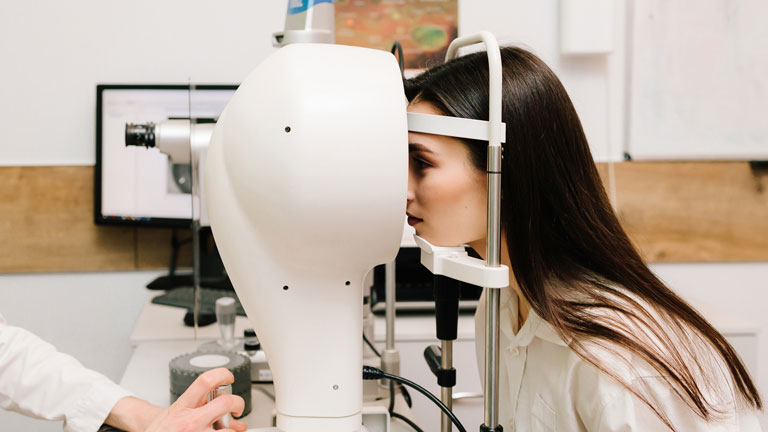

Imagery of a keratoconus examination.

Symptoms of Keratoconus

The first thing a person with developing keratoconus would notice is that their vision seems blurry even though they have seen an eye doctor for regular checkups. Typically, a keratoconus patient will experience progressive nearsightedness, often causing changes in a prescription with every visit.

They may also experience increased:

  • Sensitivity to light
  • Eye strain and/or general eye pain
  • Glare and difficulty driving at night
  • Headaches and eye irritation

Unfortunately, these symptoms can also accompany other eye conditions as well, so it’s very important to see an eye doctor. He or she will make a diagnosis based not only on symptoms but also on measurements and observation of the corneas.

Macro of a clear female eye with keratoconus stock photo

Get Help Today

If symptoms of corneal diseases are making you uncomfortable and interfering with your daily life, call us. Our doctors have the expertise and tools to give you the relief you need.

Treatment Options for Keratoconus

Depending on the severity of the condition, the following treatments can be successful:

In the early stages of the disease, changing the prescription of your eyeglasses may be all that’s necessary. After diagnosis, your eye doctor will continue to carefully monitor further changes in your eye.

Some manufacturers have developed lenses that are customized to a wearer’s measurements and are specifically made to correct keratoconus in its mild to moderate stages.

Rigid, gas-permeable lenses hold the shape of the cornea in place so that light is refracted through it correctly. They can be harder to fit and more uncomfortable to wear than soft lenses.

This procedure uses both soft and rigid lenses; the soft lens is next to the eye, becoming a cushion for the harder, rigidly shaped gas-permeable contact.

The center of this contact lens is rigid, holding the cornea in place, while the outer ring of the contact is soft, providing greater comfort.

Intrastromal corneal ring segments, or Intacs, are small pieces of plastic polymer that are implanted in the cornea to help it hold the proper shape. The small incision heals quickly.

Custom-made drops of riboflavin (vitamin B2) are placed in the eye and activated with ultraviolet light. This strengthens the cornea by increasing the number of collagen crosslinks.

About 10 to 20 percent of keratoconus patients will need a corneal transplant, in which the diseased cornea is replaced with a donor cornea. Corrective eyeglasses or contact lenses may still be needed for clear vision.

Deep anterior lamellar keratoplasty (DALK) is a transplant where only the front and middle layers of the cornea are replaced, reducing the chance of rejection and allowing quicker healing.

Image of a young girl excessively rubbing her eyes. Illustrating one of the precursors to keratoconus.

What Causes Keratoconus

Not only is the cause still undetermined, but the disease itself is also unpredictable – some cases will remain mild, while others continue to degenerate.

These are some of the possible factors involved:

  • Hereditary links: While there does sometimes appear to be a genetic link, most patients with keratoconus do not have family members with the condition.
  • Enzyme imbalances and/or oxidative stress: Recent research indicates a link between keratoconus and an imbalance of enzymes in the cornea.
  • Eye-rubbing, allergies, and/or poorly fitting contact lenses: Excessive rubbing of the surface of the eye – by hand or by poorly fitting contact lenses – may be a contributing factor.
  • Ultraviolet exposure: Overexposure to ultraviolet rays from the sun has been associated with keratoconus.

Keratoconus is a condition that requires the expertise of a cornea specialist to diagnose and treat. Regular exams are important if you’ve noticed any loss of clarity of vision.

Get Expert Care for Keratoconus

Barnet Dulaney Perkins Eye Center is highly invested in the health of your eyes. Contact us today with any questions on eye care or keratoconus or to schedule a consultation.