

Contact lens intolerance is when wearing your contacts starts to feel rough or uncomfortable, even if they used to be great all day. You might experience dryness, burning, irritation, redness, or blurry vision. Relief starts with removing uncomfortable lenses and having an eye doctor identify the cause.
Contact lens intolerance is not necessarily permanent. Treating dry eye, allergies, or a lens-related problem may improve comfort, although some people need longer-term changes.
At Barnet Dulaney Perkins Eye Center, patients across Arizona can explore options for more comfortable vision, including continued contact lens wear when appropriate. Schedule an eye exam to find out what may be causing your discomfort and discuss your next steps.
Recognizing Contact Lens Intolerance
You might notice that your contacts feel scratchy during a meeting or that you need to remove them earlier each afternoon. Common symptoms include:
- Dryness, burning, or a gritty feeling
- Redness or itching
- Watering or unusual tearing
- Blurry or fluctuating vision
- Discomfort that limits how long you can wear your lenses
These symptoms do not identify the cause on their own.
Symptoms That Need an Emergency Eye Exam
Remove your contacts and call your eye doctor immediately if you develop eye pain, significant redness, light sensitivity, discharge, or sudden blurry vision. Keep the lenses out until your doctor advises that you can wear them again. These may be signs of a contact lens-related infection.
For urgent symptoms, call Barnet Dulaney Perkins Eye Center at (602) 955-1000 during business hours before traveling to a clinic. If you need urgent care after hours or cannot reach an eye doctor promptly, seek emergency care. Do not wait for a routine appointment.
Common Causes of Contact Lens Discomfort
Several problems can make lenses harder to tolerate. Your eye doctor can check whether any of them apply to you.
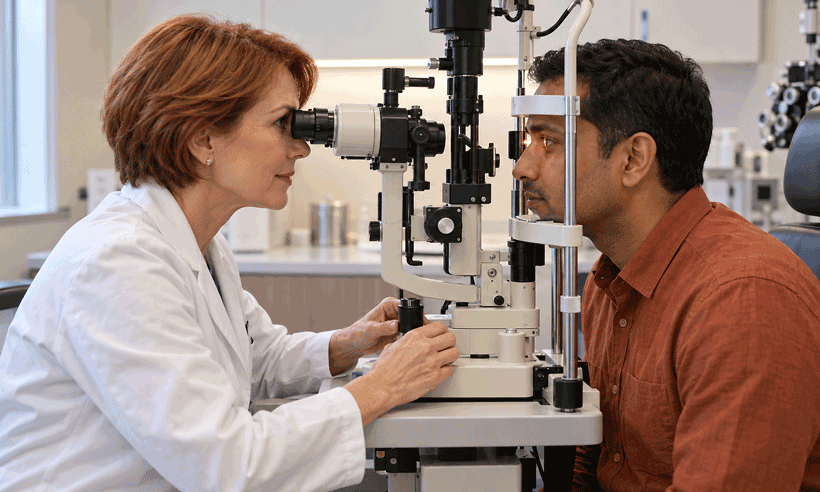
Dry Eye and Tear Film Changes
Your tear film helps keep the eye’s surface moist. When you do not produce enough tears or tears evaporate too quickly, contact lenses can become uncomfortable. Burning and fluctuating blur may accompany the dryness.
The National Eye Institute explains how dry eye affects comfort and vision. Wind, air conditioning, and prolonged screen use may also worsen dryness.
Allergies and Eyelid Irritation
Allergies, lens deposits, or sensitivity to cleaning products can contribute to irritation. Some contact lens wearers develop giant papillary conjunctivitis, an inflammatory condition involving bumps beneath the upper eyelid.
Your doctor can check beneath the lids for inflammation and review whether your lenses or care products are contributing.
Lens Fit, Condition, and Care
An unsuitable fit, damaged lenses, or lenses worn beyond their replacement schedule can cause problems. Sleeping in contact lenses, exposing them to water, and inadequate cleaning can also increase the risk of complications.
Tell your doctor about your lens brand, replacement schedule, cleaning solution, and usual wearing time. Bring your lens packaging and care products if requested.
Practical Ways to Find Relief
Treatment for contact lens intolerance depends on the cause. Your doctor may recommend changes to your lenses, treatment for an underlying condition, or a different way to correct your vision.
Use Glasses While Your Eyes Are Uncomfortable
Remove uncomfortable lenses and use your glasses. Contact your eye doctor for advice about when it is safe to resume lens wear. Do not use drops to push through pain or ongoing irritation.

Review Your Wearing and Cleaning Habits
- Wash your hands thoroughly and dry them before handling lenses.
- Follow the prescribed wearing and replacement schedules.
- Keep lenses away from water, including during showers and swimming.
- Use the recommended cleaning and disinfecting system for reusable lenses.
- Empty the used solution from the case instead of adding fresh solution to it.
- Replace your case at least every three months, or as directed.
- Avoid sleeping in lenses unless your eye care provider specifically directs it.
For routine wear, discard single-use daily-disposable lenses after each use. Carry current prescription glasses so you can remove your contacts when needed.
Ask About a Different Lens or Fit
Your eye doctor may recommend another lens material, a different fit, or daily disposable lenses. Single-use lenses avoid the cleaning and storage routine required for reusable contacts.
Some patients need a more customized approach. Our guide to specialty contact lenses explains options such as scleral, rigid gas permeable, hybrid, and custom soft lenses. These designs require proper fitting and follow-up; they are not automatically the right choice for every wearer of contact lenses that cause discomfort.
Treat Underlying Dry Eye or Inflammation
Changing contacts may be only one part of the plan. Dry eye evaluation and treatment can address problems affecting the eye’s surface and tears.
Depending on the findings, your doctor may recommend lubricating drops, prescription treatment, eyelid care, or other therapies. Discuss allergy symptoms and any reaction to a new solution, too.
Ask which drops are suitable for your eyes and whether you can use them with your lenses. The FDA recommends using lens-care products selected by your eye care professional. Do not assume that every artificial tear or redness-relief product is contact lens-compatible.
Adjust Drying Conditions
Screen breaks, blinking more often, and keeping fans or air-conditioning vents from blowing directly at your face may help with dryness. These everyday dry eye adjustments support your treatment plan, but persistent or recurring symptoms still need an eye exam.
Vision Correction Alternatives for Eligible Candidates
Glasses and professionally fitted contact lenses remain options. If you want to reduce your dependence on contacts, Barnet Dulaney Perkins Eye Center also offers surgical vision correction.
LASIK: A laser reshapes the cornea beneath a flap.
PRK (photorefractive keratectomy): A laser reshapes the cornea after removal of its outer surface layer, without creating a LASIK flap.
EVO ICL (implantable collamer lens): An implanted lens corrects eligible nearsighted prescriptions, with or without astigmatism, while the natural lens stays in place.
Refractive Lens Exchange (RLE): The surgeon replaces the natural lens with an artificial intraocular lens.
The procedures differ in how they change the eye and require individual evaluation.
These procedures have different risks and recovery requirements. They aim to correct focusing problems and reduce dependence on glasses or contacts. They do not guarantee freedom from glasses. Underlying dry eye or inflammation still needs appropriate treatment.
Ready to explore your vision correction options? Schedule a vision correction consultation so our team can evaluate your eyes, explain which procedures may be appropriate, and answer your questions. Read what to expect at your consultation to learn how to prepare and what the visit includes.
Find the Right Next Step for Your Eyes
If contact lens intolerance is making everyday life uncomfortable, you deserve answers. Start with an eye exam at Barnet Dulaney Perkins Eye Center to discuss symptoms and appropriate care.
If you also want to explore reducing your dependence on contacts, our team can assess your eligibility and explain your choices. Request a vision correction consultation to discuss which options may fit your eyes and goals.
Not planning on eye surgery? Our optical team can help you explore prescription glasses and lens options for your daily needs. Find a Barnet Dulaney Perkins optical location near you to get started.