

Standing in the eye drop aisle can feel weirdly intimidating. One bottle says “lubricant.” Another says “redness relief.” Some are preservative-free, some are gels, some are for contacts, and some cost three times as much as the bottle next to them.
For patients across Arizona, artificial tears for dry eyes can be especially helpful because dry air, wind, dust, screen use, contact lenses, allergies, and air conditioning can all make the tear film less stable. But the right drop depends on what your eyes are actually doing.
At Barnet Dulaney Perkins Eye Center, patients in Phoenix, Tucson, Mesa, Scottsdale, Flagstaff, and nearby Arizona communities can schedule a comprehensive eye exam for their dry eye to find out whether over-the-counter artificial tears are enough or whether dry eye treatment, prescription drops, eyelid treatment, or another eye care service may be needed.
What Are Artificial Tears?
Artificial tears are over-the-counter lubricating eye drops used to moisten the eye’s surface. They can help relieve symptoms such as dryness, burning, stinging, grittiness, watering, light sensitivity, and fluctuating blurry vision.
Artificial tears do not all work the same way. Most add basic moisture. Some help the tear film’s oily layer. Some stay on the eye longer. Others avoid preservatives that may irritate sensitive eyes with frequent use.
Artificial tears may help with mild or occasional dryness, but they do not always treat the underlying cause. If your symptoms keep coming back, your eyes may need a closer look.
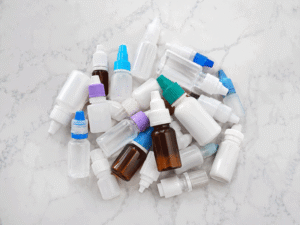
Why Choosing Eye Drops Can Be Confusing
Most patients are not just choosing between “good drops” and “bad drops.” They are choosing between different categories.
Common eye drop types include:
- Lubricating artificial tears
- Preservative-free artificial tears
- Gel drops
- Nighttime ointments
- Contact lens rewetting drops
- Allergy drops
- Redness-relief drops
- Prescription dry eye drops
- Glaucoma drops
- Antibiotic or steroid drops after surgery or infection
That is why matching the drop to the symptom matters. A lubricating drop may help with dryness. An allergy drop may help with itching. A glaucoma drop lowers eye pressure. A redness-relief drop may make the eye look less red temporarily, but it may not address the reason your eye is irritated.
Preserved Vs. Preservative-Free Artificial Tears
One of the most important decisions is whether to use preserved or preservative-free artificial tears.
Preserved artificial tears usually come in multi-dose bottles. The preservative helps reduce bacterial growth after the bottle is opened. These drops may work well for occasional use.
Preservative-free artificial tears usually come in single-use vials or special multi-dose bottles. They are often a better fit for people who:
- Use drops several times a day
- Have moderate or severe dry eye
- Have sensitive eyes
- Wear contact lenses
- Use glaucoma drops or other long-term medications
- Recently had eye surgery
- Feel burning or irritation after regular drops
If you need artificial tears more than a few times daily, preservative-free drops are often worth discussing with your eye doctor.
Which Artificial Tears Match Your Symptoms?
A quick symptom match can help you shop smarter, though it does not replace an eye exam.
| Symptom Or Situation | Drop Type To Ask About |
| Mild dryness once in a while | Standard lubricating artificial tears |
| Frequent dry eye symptoms | Preservative-free artificial tears |
| Burning, gritty, tired eyes | Lubricating drops or dry eye evaluation |
| Fluctuating blurry vision | Preservative-free tears and tear film testing |
| Symptoms worse late in the day | Longer-lasting tears, gel drops, or dry eye care |
| Dryness at night or upon waking | Gel drops or nighttime ointment |
| Contact lens dryness | Contact lens-safe rewetting drops |
| Itchy eyes with allergies | Allergy drops, not just artificial tears |
| Red eyes that keep returning | Eye exam before relying on redness drops |
| Dryness with glaucoma drops | Eye doctor guidance, often preservative-free support |
When To Use Gel Drops Or Ointments
Gel drops and ointments can stay on the eye longer than standard artificial tears. They may help people who wake up dry, need longer-lasting nighttime relief, or have more severe irritation.
The tradeoff is blurred. Gel drops and ointments can temporarily cloud vision, so many patients use them before bed rather than before driving, reading, or working.
If you use nighttime ointment and still wake up with dry, painful, or blurry eyes, schedule an eye exam. That can point to tear film problems, eyelid issues, exposure during sleep, corneal irritation, or more advanced dry eye disease.
Drops To Be Careful With
Some eye drops can be helpful in the right situation, but they are not always the best first choice for dry eye.
Be cautious with:
- Redness-relief drops, used repeatedly
- Drops that are not labeled safe for contact lenses
- Old bottles that may be contaminated
- Drops are shared with another person
- Products that burn every time you use them
- Frequent preserved drops when your eyes are already sensitive
If a drop makes your eyes feel worse, stop using it and ask an eye doctor what to try next.
When Artificial Tears Are Not Enough
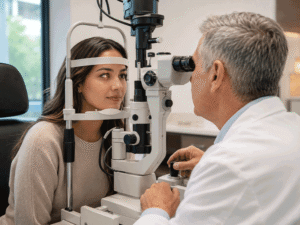
You may need more than artificial tears if you have:
- Symptoms every day
- Blurry vision that changes when you blink
- Burning, stinging, or gritty eyes
- Watery eyes that still feel dry
- Redness that keeps returning
- Contact lens intolerance
- Light sensitivity
- Eye fatigue with screens
- Symptoms after cataract surgery, LASIK, or other eye procedures
Barnet Dulaney Perkins Eye Center provides dry eye evaluations that may include tear film testing, eyelid and meibomian gland assessment, slit-lamp exam, and other testing when needed.
How Dry Eye Connects To Other Eye Care
This is why artificial tears are such a strong support topic. Eye drops are connected to many aspects of eye care.
Dry eye may affect comfort during or after:
- Contact lens wear
- Cataract surgery planning
- LASIK or vision correction evaluation
- Glaucoma drop use
- Retina visits that require dilation or testing
- Cornea care
- Optical visits for blurry or fluctuating vision
For example, unstable tears can make vision measurements less reliable. Dryness can also make screen use, night driving, reading, and contact lens wear more frustrating. If you are preparing for cataract surgery or vision correction, your doctor may want the ocular surface healthier before final measurements or surgery planning.
For more information about cataract surgery, explore our cataract surgery recovery guide and answers to common cataract surgery questions.
Treatment Options Beyond Store-Bought Drops
If artificial tears do not provide enough relief, your eye doctor may recommend a more complete dry eye plan.
Treatment may include:
- Preservative-free artificial tears
- Gel drops or nighttime ointment
- Warm compresses and eyelid hygiene
- Prescription drops for inflammation or tear support
- Short-term anti-inflammatory drops for flare-ups
- Punctal plugs to help tears stay on the eye longer
- Intense pulsed light or radiofrequency for meibomian gland dysfunction
- In-office gland expression
- Contact lens changes or specialty lenses
- Lifestyle changes for Arizona’s climate
The goal is not just to “use more drops.” The goal is to identify the reason your eyes feel dry and treat the tear film, eyelids, glands, ocular surface, or any inflammation involved.
Schedule A Dry Eye Evaluation In Arizona
Artificial tears for dry eyes can be a great starting point, especially when symptoms are mild. But if you are using drops all day, switching brands constantly, waking up with irritated eyes, or struggling with blurry vision that comes and goes, it is time to look deeper.
Barnet Dulaney Perkins Eye Center provides comprehensive eye exams and dry eye care across Arizona, including Phoenix, Tucson, Mesa, Scottsdale, Flagstaff, and nearby communities. Schedule an eye exam online to find out which eye drops, treatments, or next steps may help your eyes feel more comfortable.