
Hypertensive retinopathy happens when high blood pressure damages the tiny blood vessels in the retina, the light-sensing tissue at the back of your eye. These changes do not always cause symptoms at first, but they can blur or distort central vision over time and be a warning sign of broader vascular risk.
At Barnet Dulaney Perkins Eye Center, we use a comprehensive eye exam to screen for retinal vessel changes associated with hypertension and document them with retinal imaging when needed. If your exam suggests more advanced retinal involvement, we help coordinate the right next step, including evaluation with a retina specialist in our care network and communication with your primary care team.
What Hypertensive Retinopathy Is, and Why It Matters
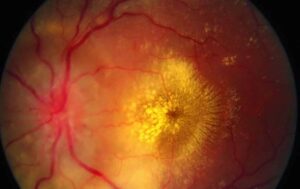 The retina relies on a delicate network of blood vessels to deliver oxygen and nutrients. When blood pressure stays high over time, those vessels can narrow, stiffen, or leak. Blood flow becomes less efficient, and the retina can show visible signs of stress.
Hypertensive retinopathy matters beyond vision. Retinal findings are considered evidence of small blood vessel damage from hypertension, and that same kind of damage can also affect the brain, heart, and kidneys. Because retinal blood vessels can be directly examined, an eye exam can sometimes reveal vascular strain before symptoms appear elsewhere.
How This Connects to Conditions We Evaluate and Manage
Retinal vessel changes from hypertension can overlap with other conditions. For example, hypertension can complicate diabetic eye disease, and some retinal circulation problems can cause swelling that threatens central vision. A careful retinal evaluation helps determine whether the findings are consistent with hypertensive retinopathy, whether another retinal condition is contributing, or whether both are present.
Common Causes and Risk Factors
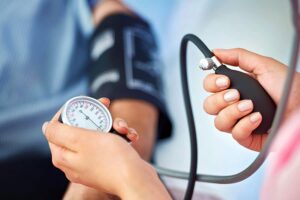
The most common cause is uncontrolled or long-standing high blood pressure. Risk increases when hypertension is:
- Untreated or poorly controlled
- Severe or longstanding
- Combined with conditions that strain blood vessels, such as diabetes or kidney disease
Age, duration of hypertension, and overall cardiovascular health all influence whether retinal changes develop and how quickly they progress.
Symptoms: What You May Notice
Many people have no obvious symptoms early on. When symptoms occur, they may include:
- Blurred vision
- Reduced vision
- Headaches
- Sudden vision changes in more severe cases
Even if you feel fine, retinal changes can still be present. That’s why routine comprehensive eye exams are a practical part of preventive care for anyone living with high blood pressure.
What Your Eye Doctor Looks For During an Exam
During a dilated eye exam, your doctor evaluates the retina and optic nerve for patterns linked to hypertension. Depending on severity, findings may include:
- Generalized or focal narrowing of retinal arteries
- “Crossing” changes where arteries and veins intersect
- Retinal hemorrhages, cotton-wool spots, and swelling in the retina
- In urgent cases, optic disc swelling (papilledema), sometimes associated with malignant hypertension
These findings help determine severity, guide follow-up timing, and decide whether additional imaging is needed.
How Hypertensive Retinopathy Is Diagnosed at Barnet Dulaney Perkins
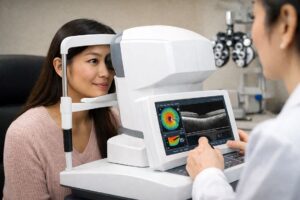 Diagnosis starts with a comprehensive eye exam, often with dilation to evaluate the retina clearly. When we see vessel changes, we may recommend imaging to document what’s happening and track it over time.
Common imaging may include retinal photography and optical coherence tomography (OCT) to assess for swelling that can affect vision and to help distinguish hypertensive damage from other retinal diseases that may appear similar. Imaging also gives you a baseline, so future visits can show whether the retina is stabilizing or changing.
Because hypertensive retinopathy reflects systemic blood pressure, eye findings sometimes prompt coordination with your primary care clinician, cardiology team, or nephrology team, especially when signs suggest more severe vascular stress.
Treatment and Next Steps
The foundation of care is blood pressure control. Retinal findings often stabilize when hypertension is treated effectively, although some vessel changes may persist even with good control.
If your exam suggests severe disease, we may treat it as urgent, particularly when optic nerve swelling or significant retinal findings are present. In these situations, your eye exam can be a critical “early warning” that supports faster medical evaluation.
Barnet Dulaney Perkins Eye Center can:
- Evaluate retinal health with a detailed exam and appropriate imaging
- Clarify whether findings fit hypertension-related changes or suggest another retinal condition
- Recommend the right follow-up schedule based on severity and risk factors
- Coordinate next steps with your broader medical team when needed.
If you want a trusted overview of blood pressure goals and risk, you can also consult the American Heart Association’s guidance.
When to Seek Urgent Care
Do not wait if you experience:
- Sudden vision loss or rapidly worsening vision
- New flashes of light or a sudden increase in floaters
- A curtain-like shadow in your vision
- Severe eye pain or a severe headache with vision changes
Those symptoms can signal conditions that require immediate evaluation.
Schedule an Eye Exam to Protect Your Retina
If you live with high blood pressure, a comprehensive eye exam can reveal early retinal vessel changes, document what’s happening with imaging, and clarify what to do next. Schedule an eye exam with Barnet Dulaney Perkins Eye Center to assess your retinal health and recommend an appropriate follow-up plan.