
High intraocular pressure vs. glaucoma is one of the most common sources of confusion after an eye exam. At Barnet Dulaney Perkins Eye Center, patients across Phoenix, Mesa, Chandler, Glendale, Goodyear, Surprise, Tucson, Flagstaff, and throughout Arizona can get help understanding what eye pressure means, how glaucoma is diagnosed, and when monitoring or treatment may be needed to protect vision.
Here is the short version: high eye pressure does not always mean glaucoma. Glaucoma means the optic nerve has been damaged, often because pressure inside the eye is too high for that nerve to tolerate. You can have high eye pressure without glaucoma. You can also have glaucoma even when eye pressure is not especially high.
That is why your eye doctor looks at the full picture, not just one number.
What High Eye Pressure Means
Eye pressure is also called intraocular pressure. It refers to the pressure created by fluid inside the eye. Your eyes constantly make and drain this fluid. When fluid does not drain as efficiently as it should, pressure can rise.
High eye pressure by itself is often called ocular hypertension. In ocular hypertension, pressure is higher than expected, but there is no clear optic nerve damage or visual field loss yet.
Ocular hypertension usually does not cause pain, redness, or obvious symptoms. Many patients only learn they have it during a comprehensive eye exam. That can feel alarming, but it is also useful. Once your doctor knows your pressure is elevated, they can monitor your optic nerve and decide whether treatment is needed.
What Glaucoma Means
Glaucoma is a group of eye diseases that damage the optic nerve. The optic nerve carries visual information from the eye to the brain, so damage can lead to permanent vision loss.
In many cases, glaucoma develops slowly and quietly. Early glaucoma may not cause pain or noticeable vision changes. Peripheral vision often changes first, but many people do not notice until damage has advanced.
This is why glaucoma treatment in Arizona focuses on early detection, pressure control, and long-term monitoring. The goal is to slow or prevent further optic nerve damage before vision loss affects daily life.
High Eye Pressure Vs Glaucoma: The Key Difference
The key difference is optic nerve damage. With high eye pressure, the pressure number is elevated, but the optic nerve may still look healthy. In glaucoma, the optic nerve shows damage or functional changes, often confirmed by testing.
A helpful way to think about it:
| Condition | Eye Pressure | Optic Nerve | Vision Field |
| Ocular hypertension | Higher than expected | No clear damage | No clear field loss |
| Glaucoma | High, normal, or fluctuating | Damaged or suspicious | May show blind spots or loss |
| Glaucoma suspect | Risk factors or suspicious findings | Needs monitoring | May be normal or uncertain |
High eye pressure vs glaucoma is not a simple “yes or no” question. It is a risk assessment. Your doctor needs to know whether your optic nerve is healthy, whether pressure changes over time, and whether your visual field shows early damage.
Common Tests Used To Check Eye Pressure And Glaucoma Risk
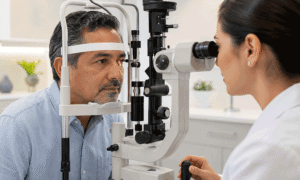
- Tonometry measures eye pressure. This may involve a gentle device that touches the eye after numbing drops or another pressure-measuring method.
- Optic nerve evaluation lets your doctor look for changes in the nerve’s shape, color, and structure. Imaging tests may help track the nerve and nerve fiber layer over time.
- Visual field testing assesses peripheral vision and detects blind spots that patients may not notice on their own.
- Corneal thickness testing may help interpret pressure readings because corneal thickness can affect how pressure is measured.
- Gonioscopy allows the doctor to look at the drainage angle of the eye, which can help identify open-angle or narrow-angle concerns.
For patients already being watched or treated, IOP monitoring for glaucoma can help show whether pressure is staying controlled or whether the treatment plan needs adjustment.
When Monitoring May Be Enough
Not every patient with high eye pressure needs immediate treatment. Some patients are monitored closely with regular exams, pressure checks, optic nerve imaging, and visual field testing.
Monitoring may be reasonable when pressure is only mildly elevated, the optic nerve looks healthy, visual field testing is normal, and other risk factors are low. Your doctor may still recommend more frequent follow-ups than a routine annual exam because ocular hypertension can increase glaucoma risk over time.
Risk factors that may influence the plan include family history of glaucoma, age, thin corneas, diabetes, high myopia, steroid use, previous eye injury, and optic nerve appearance.
When Treatment May Be Considered
Treatment may be recommended when eye pressure is high enough to raise concern, the optic nerve looks suspicious, visual field testing shows a change, or the patient’s overall risk profile suggests treatment would help protect vision.
Common treatment options include prescription eye drops, laser procedures, and surgery. Eye drops may lower pressure by helping fluid drain better or reducing how much fluid the eye makes. Drops work best when used consistently. Laser treatment may help improve fluid drainage. Selective laser trabeculoplasty is one option that may be considered for certain patients with glaucoma or ocular hypertension.
Some patients may be candidates for longer-term pressure-control options, such as iDose® TR, which delivers glaucoma medication into the eye over time. Others, especially patients with cataracts and mild to moderate open-angle glaucoma, may discuss microinvasive glaucoma surgery.
More advanced or complex glaucoma may require additional surgical options, such as tube shunt surgery.
When High Pressure Or Glaucoma Symptoms Are Urgent
Most high eye pressure and open-angle glaucoma cases do not cause obvious early symptoms. However, some pressure-related problems can become urgent.
Seek immediate care for sudden eye pain, severe headache, halos around lights, nausea, vomiting, sudden blurry vision, or a red, painful eye. These symptoms can occur with angle-closure glaucoma, which needs prompt medical attention.
If you are not sure whether symptoms are urgent, it is safer to call for guidance or seek emergency care.
Protect Your Vision With The Right Follow-Up
High eye pressure vs glaucoma comes down to risk, optic nerve health, and long-term change. A single pressure number matters, but it is only one part of the story.
Barnet Dulaney Perkins Eye Center provides glaucoma evaluation and treatment at locations across Arizona. If you have been told your eye pressure is high, have a family history of glaucoma, or are overdue for an exam, schedule an eye exam online and take the next step toward protecting your vision.