

Ocular surface disease can make reading, screen time, or contact lens wear uncomfortable. These conditions affect the front of your eyes and the tears and tissues that protect them. Dryness, burning, redness, and eyelid irritation can have overlapping causes, so finding relief starts with identifying the problem.
If burning eyes or irritated eyelids keep interrupting your day, Barnet Dulaney Perkins Eye Center can help. Schedule your eye exam to find out what’s causing your discomfort and discuss treatment options.
Below, we explore four conditions that can affect your eye’s surface, their symptoms, and common approaches to care.
Understanding the Ocular Surface
The ocular surface includes the cornea, the clear front of your eye, and the conjunctiva, which covers the eye’s white portion. Your tear film and eyelids help protect and lubricate these tissues.
Problems with tear production, eyelid oil glands, or inflammation can disrupt that protection. Ocular surface disease is an umbrella term rather than a single diagnosis with a single treatment.
Below are four conditions that can affect this system. They are not the only possible causes of eye irritation.
1. Dry Eye Disease
Dry eye is one of the most common ocular surface diseases. It occurs when your eyes don’t produce enough tears or when the tears lack the right balance of oil, water, and mucus to nourish and protect the cornea.
Who is at risk?
Adults over 65 are at higher risk, as are women experiencing hormonal changes (during pregnancy or menopause). Conditions like diabetes or rheumatoid arthritis also increase risk.
Symptoms:
-
Gritty, scratchy, or burning sensation
-
Excessive watering as the eyes try to compensate
Treatment:
Depending on the cause, treatment may include artificial tears, prescription eye drops, tear duct plugs, or selected in-office procedures.
2. Blepharitis
Blepharitis is inflammation of the eyelid margins. It can result from clogged oil glands, skin conditions like dandruff, or even eyelash mites.
Who is at risk?
People of all ages and ethnicities can develop blepharitis.
Symptoms:
-
Red, swollen eyelids
-
Crusting at the lash line
-
Itching, irritation, or a foreign body sensation
Treatment:
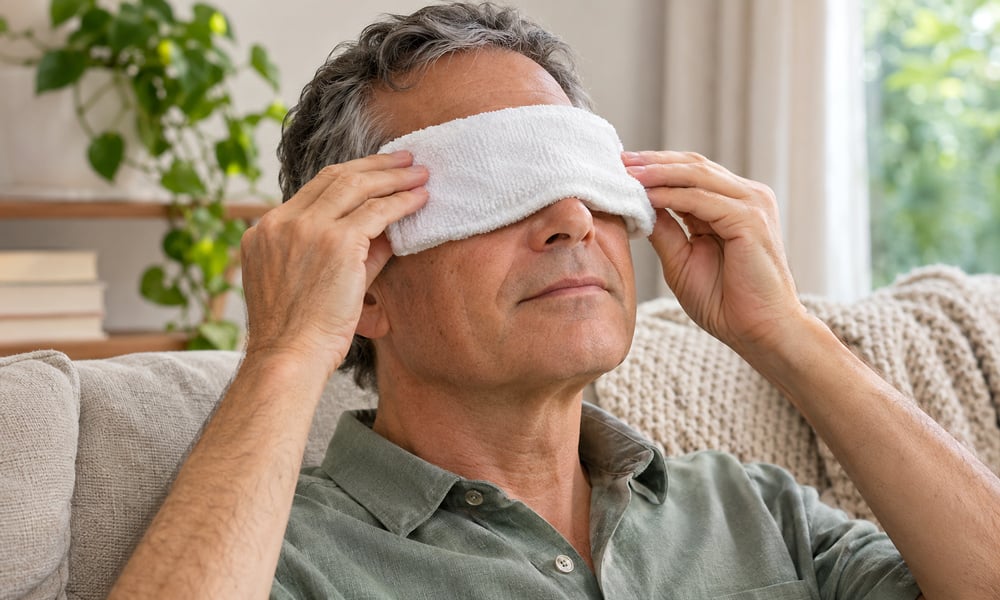
Gentle eyelid scrubs, warm compresses, and sometimes prescription antibiotics help control this condition.
3. Sjogren’s Syndrome
Sjogren’s Syndrome is an autoimmune disorder that reduces moisture production in the eyes and mouth.
Who is at risk?
Most often seen in women over 40, particularly those with other autoimmune diseases.
Symptoms:
-
Dry, irritated eyes
-
Mucous discharge
-
Puffy, inflamed appearance
Treatment:
Artificial tears and moisture-retaining eyewear are common approaches.
4. Ocular Rosacea
Ocular rosacea causes inflammation of the eyes and eyelids. It can occur with facial rosacea or without noticeable skin symptoms.
Who is at risk?
Typically affects fair-skinned individuals over 30, with a genetic predisposition.
Symptoms:
-
Red, bloodshot eyes
-
Burning, stinging, or gritty feeling
Treatment:
Eyelid hygiene and artificial tears can help; in some cases, medication is needed.
When Recurring Irritation Needs an Eye Exam
Book an appointment if symptoms keep returning, interfere with daily activities, or persist despite appropriate home care. Frequent redness, eyelid crusting, or difficulty wearing contact lenses deserves attention. During a comprehensive eye exam, your doctor can examine your eyelids and eye surface. Depending on your symptoms, they may also assess tear production and tear-film stability.
Bring a list of your medicines and eye drops. Describe when symptoms occur and what seems to improve or worsen them.
Some conditions need ongoing management. Severe disease can damage the cornea, and your doctor may recommend specialized cornea care when appropriate.
Symptoms That Need Urgent Care
Seek prompt medical attention for sudden vision changes, severe eye pain, or a red, painful eye with light sensitivity. Do not assume these symptoms are routine dryness.
For urgent symptoms during business hours, call Barnet Dulaney Perkins Eye Center at (602) 955-1000 before traveling. Our emergency eye care guidance explains the next steps.
For an after-hours eye emergency, go to the nearest emergency room. Do not wait for a routine online appointment.
Find Relief From Recurring Eye Irritation
Dryness, burning, and eyelid crusting may feel similar, but they do not always have the same cause. Understanding what affects your eye’s surface helps your doctor recommend care suited to your symptoms.
If irritation keeps returning or makes reading and wearing contacts uncomfortable, schedule your eye exam with Barnet Dulaney Perkins Eye Center. Our team can examine your eyes, discuss what you’ve tried, and help you take the next step toward more comfortable vision.