

Retinal surgery recovery can feel straightforward until your surgeon says, “You’ll need to stay face down.” That instruction is common when a gas bubble is placed in the eye to gently press against a repaired area of the retina while it heals.
If you are wondering whether face-down positioning applies to you, here’s the simple answer: it is most often required after vitrectomy with a gas bubble for conditions like macular hole or retinal detachment repairs. Gases can sometimes be used for other procedures depending on where the bubble needs to apply pressure. Your exact timeline and positioning schedule will always be determined by your retinal surgeon.
At Barnet Dulaney Perkins Eye Center, we help you understand what your retina needs now, what recovery typically looks like, and how to prepare for the days after surgery with a plan you can actually follow.
To discuss your procedure and recovery needs, schedule an evaluation with Barnet Dulaney Perkins Eye Center.
Why Face-Down Positioning Is Prescribed
Think of the gas bubble like a temporary internal support. Like a cast on a repaired fracture, gas helps hold the retina while it heals. The gas floats, so gravity determines where it contacts the retina. When you keep your head in the correct position, the bubble presses against the treated areas, helping the retina stay in place and reducing the risk of the delicate procedures failing.
That is why surgeons can be strict about positioning, especially in the first post-operative days. If the bubble shifts away from the treatment area, healing can be less predictable and, in some cases, increase the risk of complications or the need for additional treatment.
What Types of Retinal Surgery Require Recovery Face-Down?
Face-down recovery is not required after every retina procedure. It is most commonly used when surgery involves placing a gas bubble and the goal is to keep the bubble in contact with the exact area being repaired.
Here are the situations most often associated with face-down positioning:
Vitrectomy With a Gas Bubble for Macular Hole Repair
Macular hole surgery commonly involves a gas bubble, and patients are often asked to remain face-down to help the hole close while the bubble is in place.
Vitrectomy With a Gas Bubble for Retinal Detachment Repair
For certain retinal detachments, surgeons use vitrectomy with different gases that help reattach the retina and support healing, then prescribe specific head positioning, face down or on a particular side, to keep the bubble where it is needed.
Other Vitrectomy-Based Repairs Where Bubble Positioning Matters
Some surgeons may recommend face-down positioning after procedures such as macular pucker surgery or treating hemorrhages when a bubble is used to smooth the retina or prevent re-bleeding.
Procedures That Usually Do Not Require Face-Down Positioning
Many in-office retinal treatments do not involve a gas bubble and typically do not require face-down recovery, such as laser photocoagulation or cryotherapy for certain retinal tears. Your surgeon will tell you if positioning is needed in your situation. Many retinal surgeries in the operating room do not require gas.
It is important to remember that some patients are instructed to use side-lying or even employ upright positioning (rather than full face-down), depending on the repair site. Follow the exact directions you are given, because “best position” is case-specific.
How Long Will I Have to Stay Face Down?
There is no single universal schedule. Many patients are instructed to maintain a specific position for a few days, and some are asked to continue longer, depending on healing and the type of bubble used. The first few days are usually critical and require strict positioning, with less strict restrictions afterward. Of note, you may not fly in a plane or go quickly to high elevations when there is residual gas in the eye.
You will be given personalized guidance on positioning, appropriate breaks for essentials, and any adjustments after surgery as the bubble dissolves and healing progresses.
Retinal Surgery Recovery Tip
If you are unsure how strict your positioning needs to be, ask your surgeon one direct question: “How many hours per day, and what breaks are allowed?” Then follow that plan, not generic or online advice.
What the Gas Bubble Feels Like and What You May See
A gas bubble affects vision while it is present, so blurry vision is common early on. As the bubble shrinks, many people notice a moving edge or line in their vision.
How long the bubble lasts depends on the gas used. Patient education materials describe broad ranges, for example:
- Nitrogen or air bubbles may last about 5 to 7 days
- SF6 gas usually lasts about 10 to 21 days
- C3F8 gas usually lasts about 6 to 8 weeks
Your surgeon will tell you which type of bubble was used and what to expect in your case.
Follow Safety Rules During Retinal Surgery Recovery With a Gas Bubble
If you have a gas bubble, travel and anesthesia details matter.
Do Not Fly or Go to High Altitude While the Bubble Is Present
Gas can expand as altitude changes, which can dangerously raise eye pressure. Multiple patient resources warn against flying and high-altitude travel until your surgeon confirms the bubble is gone.
Tell Every Clinician You Have a Gas Bubble Before Any Anesthesia
If you need emergency care or another procedure, tell the care team you recently had retina surgery and whether a gas bubble was used. Some postoperative instructions specifically advise coordination with anesthesia teams before other surgeries. A green bracelet is often worn to notify anesthesia providers of the presence of gas.
Driving Is Usually Limited at First
Driving may be restricted while vision is blurry, depth perception is affected, or you still have a bubble. Get your surgeon’s clearance before returning to driving.
How to Prepare Your Home Before Surgery
A smoother recovery starts with setup. You want fewer surprises once you are home.
- Plan help for essentials. Many patients need assistance with meals, errands, childcare, and driving for at least a few days. Face-down positioning makes simple tasks harder, so build your support plan before surgery.
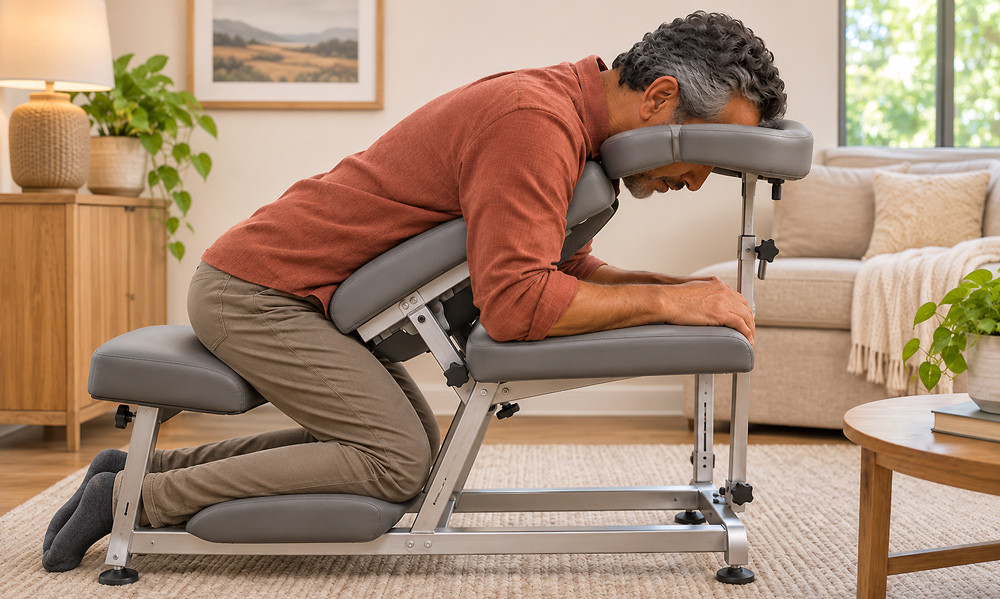
- Consider renting positioning equipment. Specialty face-down chairs, cushions, and mirrors can make positioning more tolerable. Some practices recommend renting a face-down system, such as a chair or massage-table style setup, and having it ready before surgery to make the process more comfortable.
- Stock your “no-strain” entertainment. Audiobooks, podcasts, playlists, and voice-to-text can help you stay connected without needing to look up at screens.
- Set up a recovery station. Pick one main area with water, snacks, prescribed drops, tissues, chargers, and a hands-free way to communicate. Small convenience wins add up during retinal surgery recovery.

How to Make Face-Down Positioning More Comfortable
Face-down recovery can strain the neck, back, and shoulders. Comfort matters because comfort improves compliance.
- Use support, not willpower. Positioning is hard to “muscle through” without support. Cushions, cradles, and properly fitted equipment reduce pressure points and help you maintain the correct angle longer.
- Move smart, not fast. You can usually get up to use the restroom and handle essentials, and many instructions emphasize looking down as you move to maintain the correct head angle. Follow your surgeon’s specific rules on breaks.
- Protect your skin and breathing. Long periods on pillows can irritate the skin. Breathable fabrics and small adjustments can help. If you feel short of breath, develop severe pain, or cannot tolerate the position, call your surgeon’s office for guidance.
What Else Is Normal After Retinal Surgery?
Recovery varies, but general postsurgical guidance often includes:
- Blurry vision early on
- Temporary increase in flashes or floaters may be seen
- Prescription drops, often including antibiotic and steroid drops, based on your surgeon’s plan
- Activity restrictions, such as avoiding strenuous activity for a period of time
If you experience sudden worsening of vision or severe pain, treat it as an emergency and contact your eye care team right away.
Ready to Plan Your Retinal Surgery Recovery?
If you have a macular hole, retinal detachment, or another retinal condition that may require surgery, schedule an evaluation with Barnet Dulaney Perkins Eye Center so we can review your diagnosis, explain whether face-down positioning applies to your procedure, and help you prepare for a safer, more confident recovery.