Cataract Surgery

Cataract
Surgery

Cataract surgery is a quick and safe procedure that replaces the blurry, cloudy lens in your eye with a clear one.

What is Cataract Surgery?

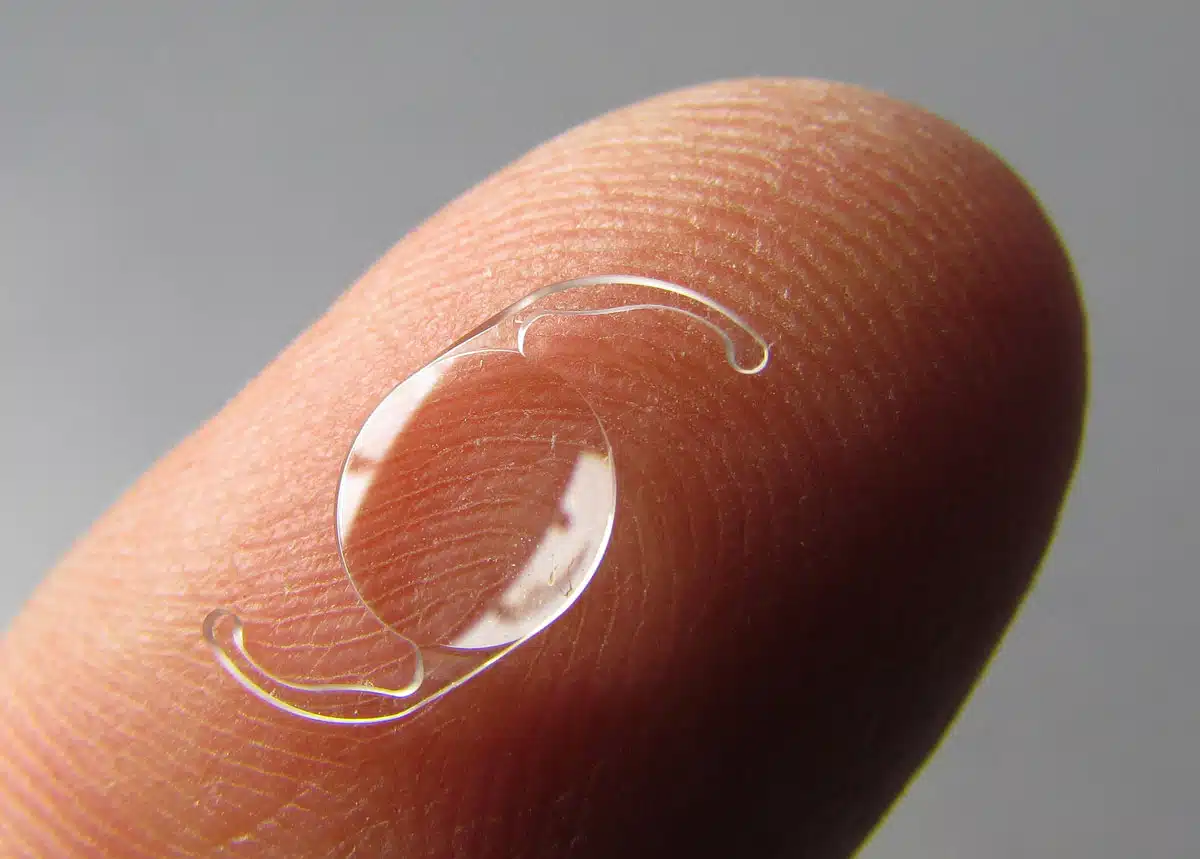
Cataract surgery and removal may be necessary when the lens inside your eye has become hardened and cloudy from the formation of a cataract. During surgery, the cloudy lens is removed and replaced with an artificial lens called an intraocular lens (IOL) to clear your vision.

The procedure is performed outpatient at one of our ambulatory surgical centers using local anesthesia and does not require an overnight hospital stay.

What Conditions Does Cataract Surgery Treat?

We guide people through their cataract journey every day, helping them break free from the distractions and limitations of vision problems such as:

  • Astigmatism occurs when the cornea or lens has an irregular shape, leading to blurry or distorted vision. A toric intraocular lens (IOL) placed during cataract surgery can correct this irregularity and give you sharper distance vision.
  • Presbyopia is the age-related loss of near focusing ability, making it harder to read or see up close. Advanced technology lenses — such as multifocal, trifocal, or extended focus IOLs — can reduce or eliminate your dependence on reading glasses or bifocals.
  • Hyperopia causes difficulty seeing objects up close, while distance vision may remain clearer. Cataract surgery with the right IOL choice can correct hyperopia, helping you see better at all distances without the need for glasses or contact lenses.
  • Blurry or Hazy Vision from Cataracts: Cataracts themselves cause vision to appear cloudy, dim, or yellowed, and can make colors seem faded. Cataract surgery restores brightness and clarity by replacing the cloudy lens with a clear artificial one.
  • Frequent Prescription ChangesCataracts can cause your glasses prescription to change often. Surgery stops this cycle by removing the source of those changes — the clouded lens.
Blurry background for design

Advanced Technology & Lens Options

It’s important to discuss your lens options with your care counselor and surgeon before surgery to ensure you get the lens most suited to your needs.

Select Your Lens
eye exam for cataracts

Types of Cataracts

Cataracts vary in type and severity, and while the location of a cataract is less important than how advanced it is, understanding the different types can help you recognize your condition:

  • Age-Related Cataracts – The most common type, developing naturally as the eye ages.
  • Traumatic Cataracts – Can form years after an eye injury.
  • Congenital Cataracts – Appear in infants or children, often in both eyes.

Cataracts may also be classified by location within the lens:

  • Nuclear Cataracts – Form in the center of the lens (most common).
  • Cortical Cataracts – Spoke-like opacities starting at the outer edge of the lens and moving inward.
  • Subcapsular Cataracts – Begin at the front or back of the lens and can progress rapidly.

Modern Cataract Surgery

At Barnet Dulaney Perkins Eye Center, our cataract specialists use advanced diagnostics and modern surgical technology to restore clear vision and support an active lifestyle. Cataract surgery is a quick, outpatient procedure that removes the cloudy natural lens and replaces it with a clear artificial lens implant. Today’s premium lens options go far beyond traditional distance-only correction—multifocal and advanced technology lenses can provide sharp vision at multiple ranges, reducing or even eliminating dependence on reading glasses, bifocals, or magnifiers for tasks like computer work, reading labels, or viewing your phone. Recovery is typically fast, and if a cloudy “film” develops later, a simple laser treatment can restore clarity. If you’re noticing glare, night-driving problems, or gradual vision changes, a comprehensive eye exam can confirm whether cataracts are the cause and which lens options best fit your visual goals.


What to Expect After Cataract Surgery

Cataract surgery recovery is generally quick and easy. Most patients notice an improvement in vision within a few days, though it may take a few weeks for your vision to fully stabilize.

After the procedure, you’ll go home the same day with a protective eye covering and detailed instructions for using eye drops to prevent infection and reduce inflammation. It’s important to avoid heavy lifting, bending over, or rubbing your eye for a short time to allow healing.

Learn More About Cataract Recovery