

Understanding how to prepare for cataract surgery starts with knowing what causes cataracts. The most common cause of cataracts is the natural aging process.
As we age, the lens of the eye can gradually lose clarity and become cloudy, leading to a decline in vision quality. When this clouding begins to impact your daily life, it may be time to consider cataract surgery, allowing you to move forward with confidence and a clear plan.
Below, we’ll go over how to prepare for cataract surgery and what the procedure actually means for you and your vision.
What to Expect During Your Cataract Evaluation
During your cataract evaluation, an eye doctor will examine your eyes to assess their overall health and confirm the presence of cataracts. The first test is usually the visual acuity check that most people are familiar with. Your doctor will ask you to read out a series of numbers and letters from a chart, one eye at a time.
Your doctor may also perform an eye structure exam, which allows them to see and diagnose the front structures of your eyes. Similarly, a retinal exam allows them to see the back of your eyes (the retina). Both of these allow them to pinpoint the exact cause of your sight issues. They will also measure the intraocular pressure in your eyes using a fluid pressure test.
You’ll likely meet with a patient care counselor if cataracts are diagnosed. They will answer your questions and explain how to prepare for cataract surgery, what to expect on the day of surgery, and outline the recovery process.
Your care team can also explain the differences between basic and laser-assisted cataract procedures and which options your surgeon considers appropriate.
Remember that cataract surgery isn’t usually urgent — many people can go years without it interfering with their daily activities. However, surgery is recommended as soon as cataracts begin to affect your quality of life.
What Happens During Cataract Surgery?
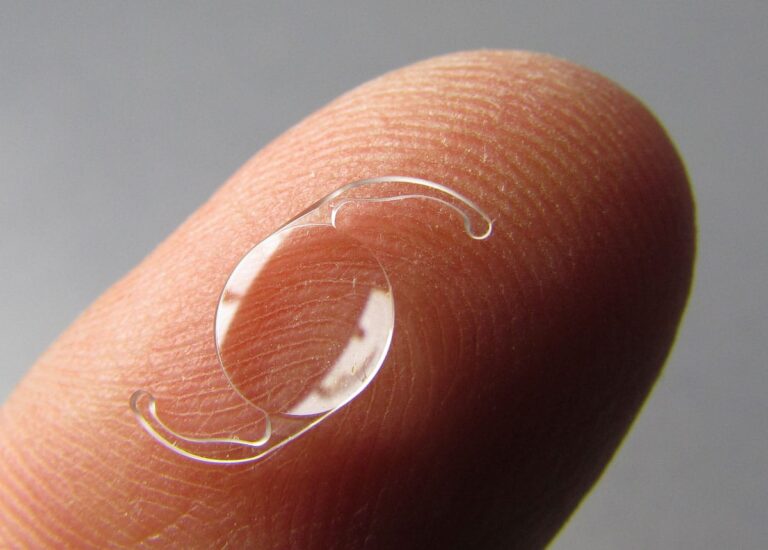
Cataract surgery is the only way to remove a cataract. The procedure involves creating a tiny opening to remove the clouded natural lens of your eye. A clear, artificial lens (intraocular lens, or IOL) is inserted in its place.
You’ll be awake during the surgery, but you won’t be able to discern what’s happening or feel anything due to local anesthesia. Nurses will give you eye drops to start the procedure and clean your eye and the surrounding area.
Once the anesthesia takes effect, the surgeon will make a tiny hole in the cornea and the front of the lens. They will then break up and remove the old lens, replacing it with the artificial one. Before the surgery, your surgeon will help you decide whether a standard monofocal lens or an advanced technology lens is the best fit for your lifestyle.
While the eyes are highly sensitive organs, modern cataract surgery uses advanced technology to make the procedure simple. Phacoemulsification, for example, enables removal of the cloudy lens through a small, self-sealing incision — meaning the wound will heal on its own.
How Long Does Cataract Surgery Take?
Cataract surgery, by itself, usually takes between 10 and 20 minutes, with some more severe cases requiring a bit less than an hour. The procedure is ambulatory, meaning that you won’t have to stay at the hospital overnight.
However, you will spend some time in the hospital both before and after the surgery. Your doctors and nurses will need some prep time, so you’ll probably need to arrive at least an hour early at the surgical facility. After the procedure, you’ll have to wait for the sedative to wear off, which usually takes between 30 minutes and an hour.
All in all, you should plan your day to include two to three hours in the hospital. If everything goes well, nurses will let you go even earlier. But remember that your specific case and circumstances will determine exactly how long cataract surgery takes.
Cataract Lens Choices
The artificial lens that will replace your cloudy one is called an intraocular lens, and there are a variety of types suited to different visual needs.
Monofocal lenses are one of the most common choices. These provide only one focal point (typically distance vision), necessitating reading glasses for near-vision tasks such as reading.
Multifocal advanced lenses can reduce or eliminate the need for glasses by offering multiple focal points. Not everyone is a suitable candidate for these lenses, so your doctor will conduct additional testing to determine if they are right for you.
Other IOL options include:
- Extended depth-of-focus lenses
- Accommodative lenses
- Toric lenses
- Light-adjustable lenses
All of these IOL types serve different purposes, and some are more expensive than others. Taking your budget into account, your ophthalmologist will help you choose the right lens for your vision and preferences.
Insurance Coverage for Cataract Surgery
Most insurance plans cover cataract surgery with a standard monofocal lens. If you choose advanced lenses or premium vision packages, these are usually not covered. Make sure to ask about costs, coverage, and payment options during your consultation so you can prepare financially.

How to Prepare for Cataract Surgery: Timeline
While the procedure itself is straightforward, cataract surgery still requires some preparation on the patient’s end. Keep in mind that these steps may vary depending on the severity of your case, pre-existing conditions, and other specific factors your doctor will discuss with you.
One Week Before Surgery
About a week before the surgery, you’ll visit your eye doctor for painless measurements and tests to select the best lens implant. As we mentioned earlier, the exact type of IOL you choose will depend on your budget, personal preferences, needs, lifestyle, and specific vision needs.
There aren’t any things you need to prepare for the surgery itself. However, this is a good time to:
- Schedule your follow-up visits.
- Arrange for a friend or family member to drive you home on the day of your surgery.
- Plan for help with household tasks, especially if you live alone.
After the procedure, you won’t be able to safely perform many of the activities you would normally do. This includes driving and even walking home, so make sure you ask a trusted person to be with you after (and ideally during) the procedure.
The Night Before
Your provider may give you eye drops or medication to use the night before surgery. Follow these instructions carefully, as they may be crucial to the procedure’s success. If you aren’t able to follow them correctly, make sure you let a nurse or surgeon know before the procedure.
Additional tips on how to prepare for cataract surgery the night before include:
- Avoid alcohol.
- Inform your doctor about all medications you take, as some may require adjustment.
- Do not eat or drink after midnight unless instructed otherwise.
- Get a good night’s sleep and reach out to your provider if you feel anxious.
If you have any doubts, don’t hesitate to call the clinic — as with any surgery, it’s better to be safe than sorry. Your doctor should provide you with very specific instructions if needed.
The Day of Surgery
On the day of your surgery, the most important thing is for you to feel calm and collected. The procedure itself is simple and quick, but feeling anxious may make it seem much worse than it actually is. Remember to always let your doctors know if you have any doubts or concerns.
As for the preparation itself, make sure you:
- Do not eat or drink anything.
- Wear comfortable clothing and refrain from wearing makeup, perfume, cologne, or lotions.
- Arrive at the surgical center early to handle paperwork and ask final questions.
Your ride home should wait until you finish, so you won’t have to arrange transportation afterward. The procedure itself is quick, and most patients are discharged within two hours.
Cataract Surgery Recovery
Once you’re out of the clinic, you’ll need someone to take you home safely. Expect some slight discomfort and a scratchy sensation in your eye during the first few hours. You may also notice changes in the mirror, such as redness from damaged blood vessels.
Once you remove the protective eye shield, you will probably experience blurry vision — this is completely normal, as your eyes need some time to adapt to the artificial lens. All of these symptoms should go away within a few days at most.
During the first two days after surgery, avoid bending, sneezing, and coughing as much as possible. Any strenuous activity should wait at least one week after the procedure, and you shouldn’t drive until your ophthalmologist gives you the green light.
After two to three weeks, your vision should feel completely normal. If you notice that things aren’t getting better, make sure you check in with your doctor.
Possible Issues
Most people have an easy time recovering from cataract surgery, but some uncommon symptoms may appear in some cases.
Dry eyes, for example, are a normal part of recovery. However, in some cases, they may persist for up to three months after the procedure. This is because the nerves that control eye lubrication may be cut during surgery. Your ophthalmologist will probably give you some eye drops for this, but contact the clinic if they don’t provide relief.
Sometimes, people see unwanted images, such as glares and halos, after the surgery. The exact reason for this may vary depending on the lens you chose, but it often resolves on its own. Otherwise, your doctor may recommend special drops or even a corrective laser treatment.
A droopy eyelid is another possible side effect of cataract surgery recovery. It’s usually caused by postoperative inflammation and resolves after a few months.
Cataract Surgery Recovery Warning Signs
Contact your ophthalmologist or clinic immediately if you notice any vision loss, eye pain, flashing lights, a dark curtain closing in your field of view, nausea, or vomiting.
Some discomfort is expected after cataract surgery, but serious eye problems should never be ignored. No matter how simple it seems, the procedure involves making an incision in your eye, so be mindful of any unusual symptoms and don’t be afraid to double-check.
Ready to Take the Next Step?
At Barnet Dulaney Perkins Eye Center, we make it easy for patients to understand how to prepare for cataract surgery. Our team is here to guide you at every stage, from evaluation to recovery.
If you have questions or are ready to schedule your cataract consultation, contact us today.