
Award-Winning LASIK Surgery in Arizona
Barnet Dulaney Perkins Eye Center is proud to be voted 2026’s Best of the Desert winner for LASIK in the Official Community’s Choice Awards by AZ Central.
If you’re considering LASIK eye surgery in Arizona, the first step is scheduling a consultation to determine if LASIK is the most effective vision correction procedure for your eyes.
Award-Winning LASIK Surgery in Arizona
Barnet Dulaney Perkins Eye Center is proud to be voted 2026’s Best of the Desert winner for LASIK in the Official Community’s Choice Awards by AZ Central.
What Is LASIK?
LASIK stands for laser-assisted in situ keratomileusis. It is an outpatient refractive surgery that reshapes the cornea, the transparent front surface of the eye. LASIK is a vision correction procedure that helps people reduce or eliminate reliance on glasses or contacts. It reshapes how light enters the eye so things come into focus naturally.
At Barnet Dulaney Perkins, we believe people deserve to move through life unrestricted. We guide our patients through their vision journey with experience, care, and total confidence! Choosing LASIK isn’t just about better vision. It’s about reclaiming your mornings, simplifying your routines, and doing more of what you love without limitations. We’re here to help you take that step forward toward clearer sight, but toward the life you’ve been picturing all along.
We guide people through their LASIK journey every day, helping them break free from the distractions and limitations of refractive errors like:
Everyday activities like driving, working, and enjoying the outdoors are easier after LASIK.
LASIK surgery typically takes about 10–15 minutes per eye.
Most LASIK patients in Arizona notice clearer vision within 24 hours.
The correction is permanent, and your procedure is supported by our Vision for Life Plan. However, your eyes will age, and LASIK cannot prevent conditions such as cataracts.
LASIK saves Arizonans thousands of dollars over time by reducing or eliminating the ongoing cost of glasses/contact lenses.

If you’re 18 or older, in good overall health, and have a stable vision prescription, you may be a candidate for LASIK. If LASIK isn’t the best option due to a higher prescription, certain eye conditions, or other health factors, procedures such as PRK, EVO ICL, or Refractive Lens Exchange (RLE) may provide a better solution for your vision and lifestyle. Take our quick LASIK quiz to see if you may be a candidate.
What To Expect During LASIK Eye Surgery
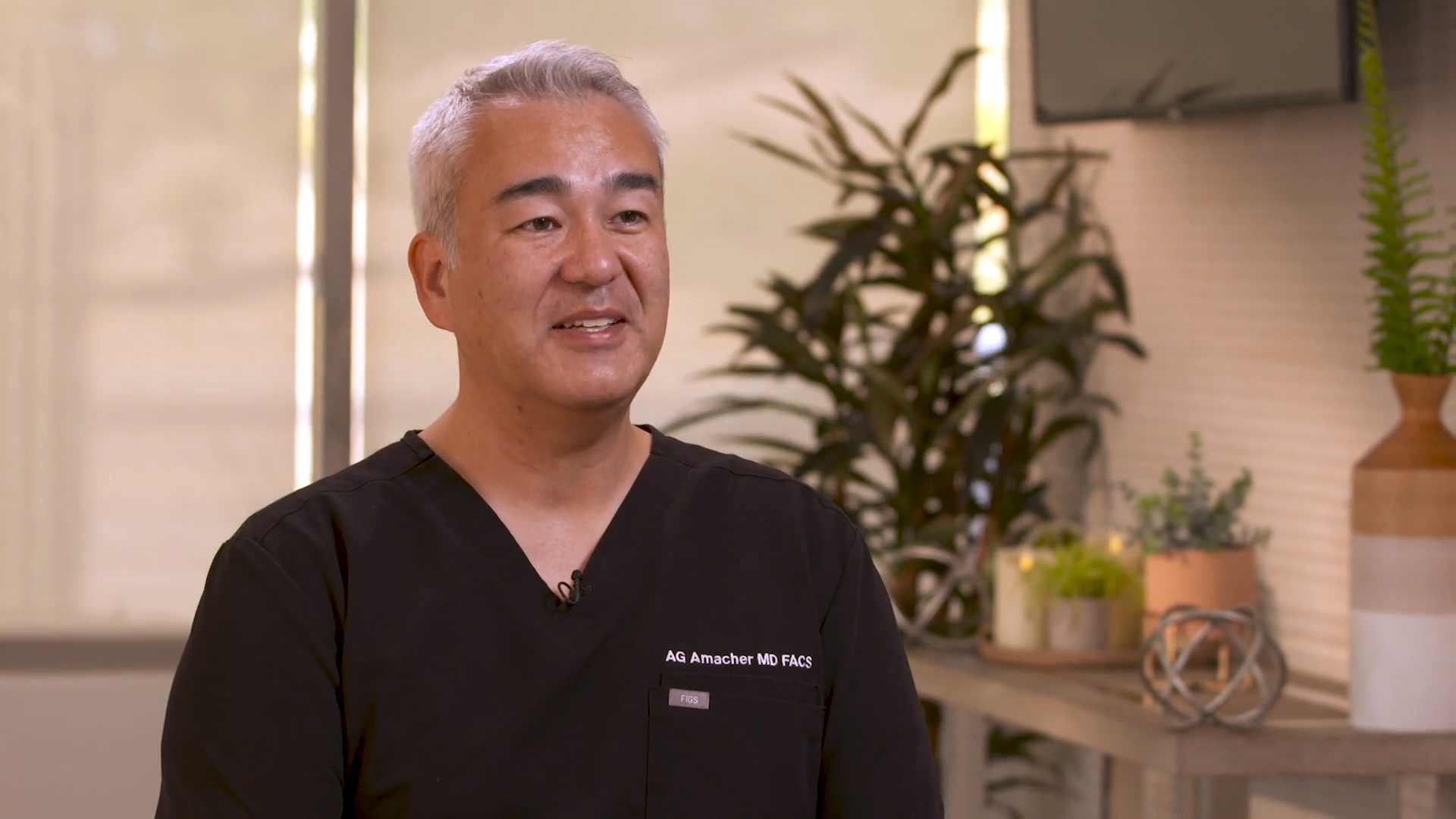
LASIK is a quick outpatient procedure performed using advanced laser technology. The process typically includes:
LASIK usually takes less than 30 minutes. You will spend additional time at our surgery center getting ready and reviewing your instructions afterward. Your vision may be blurry, so you will need someone to drive you home.

Your LASIK cost can vary based on your eyes, prescription, and the type of vision correction procedure recommended for you. During your FREE vision correction consultation, our team will conduct detailed testing, explain your options, and provide straightforward pricing tailored to your individual needs. Review our pricing guide.
LASIK Eye Surgery Recovery

After LASIK, your eyes may feel watery, scratchy, or sensitive to light for the first several hours, and your vision may be blurry or hazy. Resting with protective eye shields can help prevent accidental rubbing. Many patients notice improvement within the first few days, but dryness, glare, halos, and changes in vision may last longer.
Your first follow-up visit is typically scheduled within 24 to 48 hours so your doctor can examine your eyes and check your early healing. Additional visits may be needed over the coming weeks and months, as vision can continue to fluctuate and may take 3 to 6 months to fully stabilize.
How Long Does LASIK Last?
LASIK permanently changes the shape of the cornea, but it does not freeze your prescription or stop your eyes from aging. Research has found that farsighted LASIK may be more likely to regress over time. Individual results vary according to the original prescription, age, eye health, and other factors.
Many patients maintain useful vision correction for years. However, vision may change over time because of:


This option is often recommended for adults experiencing age-related vision changes such as presbyopia.
PRK was the first modern laser vision‐correction surgery, predating LASIK by reshaping the cornea’s surface rather than under a flap.
EVO ICL is ideal for patients with thin corneas, dry eyes, or high prescriptions, offering sharp, stable vision without removing eye tissue.
The procedure generally takes less than 30 minutes. The laser treatment itself is brief, but additional time is required for preparation, examinations, and postoperative instructions.
Numbing eye drops are used before the procedure. You may feel pressure or temporary discomfort while the thin corneal layer is created. After surgery, burning, itching, watering, grittiness, or mild pain may occur during the early healing period.
Many patients notice improvement during the first few days and return to routine activities relatively quickly. However, dryness, glare, halos, and fluctuating vision may continue for weeks or months. The FDA notes that complete stabilization can take three to six months.
LASIK permanently corrects the vision prescription you have at the time of treatment. For many patients, results last for decades
The only reliable way to determine candidacy is through a comprehensive vision correction evaluation. Your doctor may recommend LASIK, a different procedure, or no surgery based on your examination.
LASIK is designed to treat common refractive errors, including:
A LASIK consultation includes a comprehensive eye exam, and a review of your medical history. Your surgeon will evaluate your corneas, prescription, and overall eye health to determine whether LASIK or another vision correction procedure is the best option for you.
LASIK consultations are at the Barnet Dulaney Perkins Scottsdale, Flagstaff, or Tucson location.
The first step is scheduling a LASIK consultation with one of our experienced vision correction specialists.