


Several possible risk factors for developing cataracts exist, but the relationship between eye color and cataract risk is perhaps one of the most surprising. Evidence suggests that adults with darker irises, rather than lighter ones, may be at a greater risk of developing certain types of cataracts in late middle age.
Increasingly, experts recommend that those with brown or black eyes follow cataract prevention measures more carefully. That’s not to say eye color is the most significant factor in developing cataracts—far from it—but let’s explore how it is thought to change the risk.
Eye Color and Cataracts
A cataract is a clouding of the eye’s natural lens that impairs vision. It develops gradually, often in middle age or later, and by age 80, over half of Americans have a cataract. While aging is the primary risk factor, research shows that iris color also plays a role. In general, people with darker eyes (brown or black irises) face a higher cataract risk than those with light-colored eyes. For example, an extensive population study found dark brown irises increased the odds of having nuclear or posterior subcapsular cataracts compared to lighter irises. A 2014 epidemiology review similarly reported that “darker iris color [is] associated with an increased risk of cataract”. In practical terms, adults with brown or black eyes should be especially diligent about eye protection and monitoring, although eye color is far from the only risk factor for cataracts.
How Eye Color Influences Cataract Formation Risks
Researchers are still unsure why darker eye colors may be associated with a higher risk of cataracts, but one theory centers on melanin. Brown and black irises contain more melanin pigment, which absorbs more light energy and can produce heat inside the eye. One review even suggested that this extra melanin “could cause a buildup of heat” in the lens, potentially speeding up the damage that leads to cataracts.
This idea fits with what we already know: both ultraviolet (UV) light and infrared (IR) heat are established cataract risk factors. Years of sun exposure or work around strong UV/IR sources—like welding—can raise the temperature of the lens and trigger clouding. Because darker irises absorb more energy, they may accumulate slightly more heat under intense light, which could contribute to age-related changes in the lens.
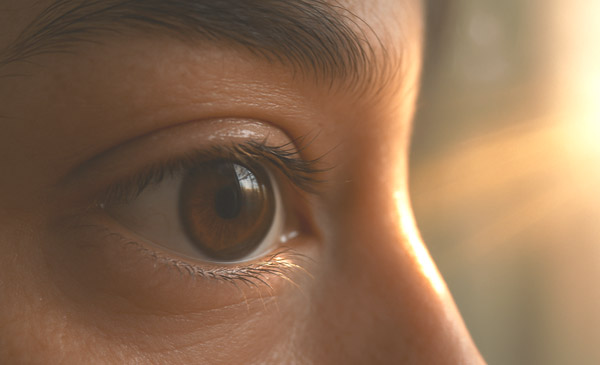
Environmental and genetic factors also play a role. For example, people with brown eyes are more common in regions near the equator, where sunlight is stronger. Some studies have found that dark-brown irises are significantly more likely to develop cataracts over time. Still, this heat-absorption theory is not fully proven. Experts emphasize that eye color is only one small piece of the puzzle. Overall health, genetics, lifestyle, and UV protection habits play a far greater role in determining cataract risk.
Cataract Prevention Measures
Because cataracts develop slowly, taking preventive steps can delay or lessen vision loss. Everyone, regardless of eye color, should protect their eyes and monitor their vision. Here are our key recommendations:
Wear UV-blocking Sunglasses & A Wide-Brimmed Hat
Protect your eyes from both sunlight and heat by wearing sunglasses that block 100% of UVA and UVB rays every time you’re outdoors. Adding a wide-brimmed hat (at least 3 inches) provides extra shade and reduces light exposure. Long-term sun exposure is a well-established risk factor for cataracts, so consistent protection matters.
Avoid Smoking
Cigarette smoke contains free radicals that accelerate lens aging. Quitting smoking (or never starting) is one of the most effective ways to slow cataract formation.
Manage Your Health Conditions
Keep chronic conditions, especially diabetes, well—controlled. High blood sugar can damage the eye’s lens over time, significantly increasing the risk of cataracts. Long-term steroid use (oral, inhaled, or topical) also raises cataract risk.
For people with darker eye colors, managing these conditions is even more critical. Since darker irises may already absorb more light and heat, any added stress from diabetes or steroid use can further accelerate lens changes. Maintaining stable blood sugar levels, adhering to your treatment plan, and consulting with your doctor to review all medications can help reduce your overall risk of cataracts, regardless of your eye color.
Have Regular Eye Exams Performed
Early cataracts often have no symptoms. See an ophthalmologist at least once a year after age 40, or sooner if your vision changes. Timely exams can detect cataracts and other eye conditions before they severely affect vision.
By adopting these habits early, you may be able to delay cataract progression, even if your genetics or eye color predispose you to it. Visit your ophthalmologist at least once every two years for a comprehensive eye exam, especially after age 60. Early diagnosis can help protect your vision and facilitate arrangements for treatment. However, once a cataract forms and begins to impair sight, preventive steps can only slow its progression; surgery is the only cure.
Laser Cataract Surgery Options
If vision loss from cataract becomes significant, surgery is very effective. In 2024, the Cleveland Clinic reported that surgeons performed ~3 million cataract surgeries per year in the U.S. (and 20 million globally), with improved vision in ~97% of patients. Modern cataract removal is often performed using femtosecond lasers and microsurgery. The cloudy lens is broken up and removed, and a new, clear intraocular lens (IOL) is implanted. This procedure is generally safe and precise.
Surgeons can help you select from various types of IOLs to correct your vision during surgery, ensuring that the choice fits your lifestyle and needs. Before surgery, your doctor will explain the procedure and provide instructions on how to prepare. You may be given pre-op instructions (e.g., medications, fasting, arranging a ride home). For step-by-step preparation advice, see our article on how to prepare for cataract surgery. After surgery, recovery is typically quick: most people notice an improvement in their vision within a few days to a week. Eye drops and follow-up visits help ensure a smooth recovery. For more information on the healing process, see our guide to recovery after cataract surgery.
Most of our patients often ask about costs. Exact prices depend on factors such as insurance, lens choice, and the technology used. (Premium IOLs or laser-assisted techniques can increase out-of-pocket costs.) Read >> How Much Cataract Surgery Costs for an overview of expenses, insurance coverage, and financing options.
Eye Color is Just One Risk Factor for Cataracts
Ultimately, eye color by itself does not guarantee whether you will or won’t get cataracts. It is one of many factors – age, UV exposure, health conditions, genetics, and lifestyle also play a role. If you have brown or dark eyes, be especially vigilant about eye care and sun protection; doing so can help mitigate any additional risk you may face.
By protecting your eyes from the sun and smoke and seeking eye care from a qualified ophthalmologist, you reduce your risk of vision problems related to cataracts. If you develop cataracts, you can rely on the Barnet Dulaney Perkins Eye Center staff and surgeons to use the best laser cataract surgery methods to remove your cataracts and restore your vision.